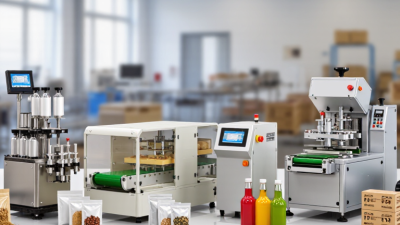
The global packaging equipment market is expanding, but choosing the right pkg machine is becoming less straightforward. Mordor Intelligence estimates that the packaging machinery market will grow from approximately USD 58 billion in 2025 to more than USD 71 billion by 2030. Smithers also reports continued demand for flexible, recyclable, and lightweight packaging formats. These shifts affect filling speed, sealing accuracy, material handling, and machine sanitation.
A useful machine must perform beyond a showroom demonstration. It should handle real production details, such as dusty powder near a hopper, condensation around a sealing jaw, or a format change during a night shift. PMMI research highlights automation, labor shortages, connected equipment, and service access as major priorities for packaging manufacturers. Those priorities guide this review of the 10 best pkg machines for global buyers. The list considers output, changeover time, energy use, safety features, spare-parts availability, and regional technical support.
Ruben Rausing, founder of Tetra Pak, famously said, “A package should save more than it costs.” That principle still matters. A low purchase price can hide costly downtime, difficult cleaning, or unavailable replacement parts. No ranking is universal. A snack producer, pharmaceutical plant, and coffee exporter will need different solutions. This shortlist may not be perfect, and local testing remains essential. Buyers should request product trials, inspect finished seals, and verify service response before signing a contract. Reliable performance matters more than impressive specifications.
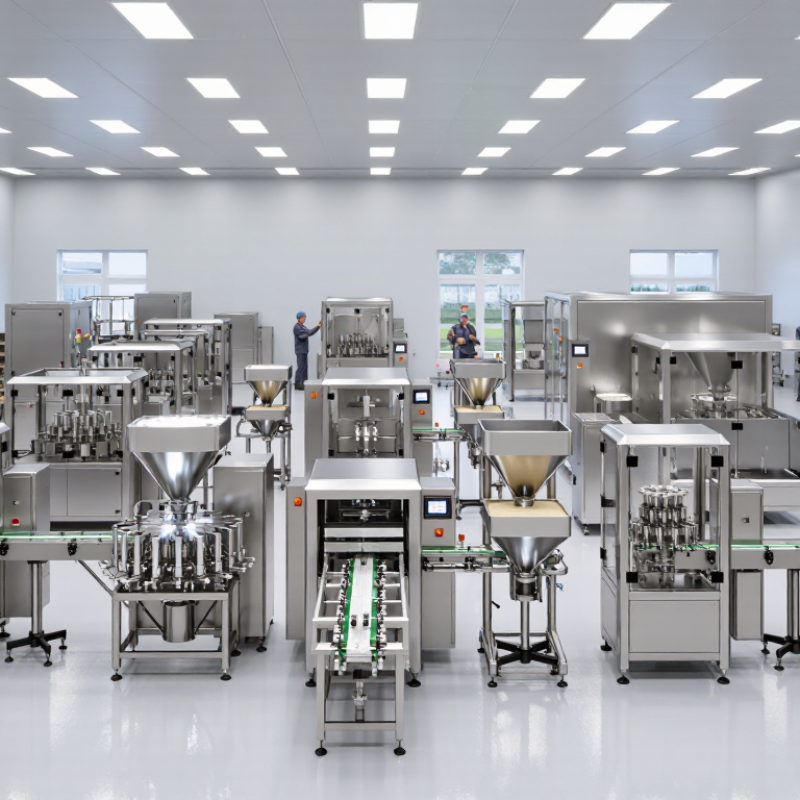
PKG machines are automated systems that prepare products for sale, storage, and transport. They may fill pouches, form cartons, seal trays, wrap items, or apply labels. Their exact design depends on the product’s shape, weight, texture, and packaging material.
A typical line starts with product feeding. Conveyors move items toward a filling or forming station. Sensors check position, while a programmable controller adjusts timing and movement. Filling units measure a set volume or weight.
Sealing jaws then close the package using heat, pressure, or adhesive. Labels can be added afterward. Operators usually monitor speed, temperature, air pressure, and error messages from a control panel.
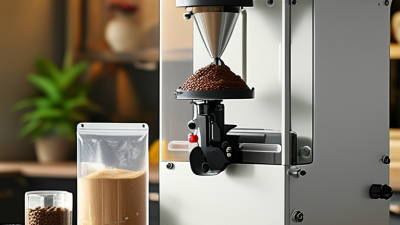
In practical purchasing tests, sample materials matter more than attractive brochures. A powder may bridge inside a hopper, while sticky products can slow clean filling. Film thickness also affects sealing strength. No machine is truly plug-and-play. Small alignment errors can create wrinkles, leaks, or wasted packaging. Buyers should request production trials, cleaning instructions, spare-parts lists, and safety documentation. Electrical standards may differ between countries, so voltage and control requirements need careful checking. Hygiene-focused applications also require suitable contact materials and accessible surfaces. The fastest machine is not always the best choice; stable output, easy maintenance, and trained operators often matter more. Some specifications remain uncertain until real product tests are completed.
Choosing the right PKG machine starts with the product, not the machine’s advertised speed. In packaging projects, I have found that powder, liquid, granules, and fragile goods require different feeding systems. Vertical form-fill-seal machines suit snacks, grains, and detergent powders. They form bags from roll film and use limited floor space. Liquid products need accurate pumps and cleanable contact parts. Small errors can cause leaks.
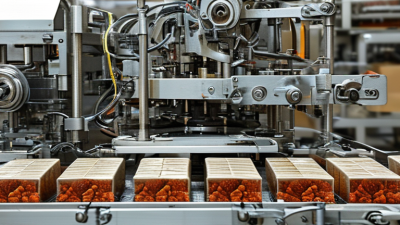
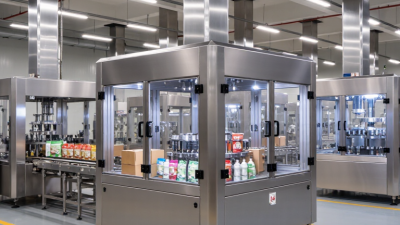
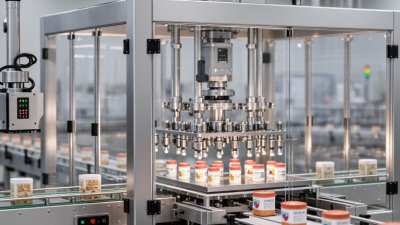
Horizontal form-fill-seal machines work well for bars, cartons, and individually wrapped products. They create neat pillow packs or sealed trays. Premade pouch machines are useful when presentation matters or package sizes change often. Rotary filling machines can handle many pouch formats, but they demand careful setup and regular inspection. For bottles and jars, automatic filling, capping, and labeling lines improve consistency. Cartoning machines fit products that need stronger protection during shipping.
Blister machines suit tablets and small hardware, where each item needs a separate cavity. Vacuum packaging can extend freshness for suitable food products, provided the film and sealing temperature match. Check the machine’s cleaning access, electrical standards, spare-part supply, and operator training requirements before purchasing. A machine that runs quickly but stops often is not efficient. I once underestimated changeover time; the production target looked realistic until every format switch added minutes. Ask suppliers for tested samples, output records, and sealing results using your actual materials. The first trial may reveal an inconvenient truth.
Evaluating the 10 best PKG machines requires more than comparing speed and price. Check the machine’s actual output using your product, package size, and material. A machine rated for 100 packs per minute may produce less during frequent changeovers. Request a live test with your samples. Watch the sealing edge, filling accuracy, noise, and rejected packs. Small defects become expensive at scale.
Review electrical compatibility, safety documentation, and installation requirements for your destination country. Confirm voltage, frequency, air pressure, floor space, and operating temperature. Ask for manuals in a usable language, spare-parts lists, remote support details, and technician response times. Total cost includes freight, customs handling, training, maintenance, and downtime. A low purchase price can hide difficult service conditions. That part is easy to underestimate.
Tips: Build a scoring sheet with throughput, accuracy, changeover time, energy use, safety, service, and total ownership cost. Give each category a clear weight. Speak with current users if possible, but do not accept vague testimonials. Inspect a running machine, not only polished videos. Check how quickly operators clean product-contact areas and replace wear parts. My own evaluation would remain cautious: factory demonstrations rarely show jams, unstable materials, or rushed operators. Ask what happens when production is imperfect. That answer often reveals more than the headline specification.
Choosing among the 10 best PKG machines starts with the product, not the machine’s advertised speed. Buyers should compare filling accuracy, sealing strength, changeover time, and control-system access. A fast machine becomes expensive when operators need hours to adjust it.
Material compatibility deserves close inspection. Stainless steel contact parts suit many food, cosmetic, and pharmaceutical applications because they resist corrosion and simplify cleaning. However, the packaging film also matters. Plastic films, paper laminates, foil structures, and recyclable materials can require different temperatures and sealing pressures. Request real production trials. Catalog claims are not enough.
Capacity should reflect normal demand, not an ideal target. Compare packs per minute, hopper volume, duty cycle, and permissible downtime. A machine rated for 120 packs per minute may produce far less with fragile products or frequent size changes. Leave room for growth, but avoid paying for unused capacity. That mistake is common.
Ask about tool-free adjustments, sensor accuracy, dust protection, and emergency access. Remote diagnostics can reduce delays, although stable local service remains more valuable. Examine electrical requirements, spare-part availability, operator training, and cleaning procedures. Total ownership cost includes labor, compressed air, energy, waste, and maintenance.
Some comparisons remain imperfect. Products behave differently during seasonal temperature changes. Test samples under realistic conditions, document failed seals, and question any result that looks unusually perfect. Reliability grows from repeatable evidence, not attractive specifications.
The chart compares typical industrial output ranges for ten common packaging machine categories. Actual capacity depends on product characteristics, pack size, filling accuracy, sealing method, number of lanes, changeover time, and automation level. Buyers should also verify compatibility with materials such as PE, PP, PET, laminated films, aluminum foil, paper-based structures, glass, and rigid plastic.
Choosing among the 10 best PKG machines requires more than comparing speed, price, or advertised output. Certifications, service, and total cost often reveal the practical difference between similar models.
Check whether certifications match your destination, product type, and electrical system. A certificate should include a verifiable scope, current issue date, and relevant safety testing. Paperwork is not performance. Request technical files, risk assessments, wiring diagrams, and test records before signing. Local compliance may also require approved plugs, language-specific manuals, or additional inspection.
Service matters. Ask how quickly technicians respond and where spare parts are stocked. A remote diagnostic session can prevent several days of downtime. Confirm installation support, operator training, software updates, and warranty exclusions. Total cost includes freight, installation, energy use, tooling, maintenance, consumables, and rejected packaging. A cheaper machine may become expensive when one custom part takes six weeks to arrive. Ask for a three-year cost estimate based on your actual production hours.
A useful comparison sheet should score uptime, changeover time, service access, and documentation quality. Still, no checklist is perfect. Factory demonstrations can look smoother than real production, especially with experienced operators. Request a sample run using your materials, speeds, and package sizes. Measure waste, noise, cleaning time, and recovery after a fault. These details are easy to overlook. They often determine whether the machine supports reliable international operations.