Choosing a small packaging machine is rarely about size alone. It is about product behavior, output targets, workspace limits, and service access.
Walter Soroka, a respected packaging consultant and author, describes packaging as “the science, art, and technology of enclosing and protecting products.” That idea remains practical for global buyers. A compact machine must protect goods while controlling material use, sealing quality, labor, and production consistency. A tabletop pouch filler may suit spices, powders, or granules. A compact liquid filler may perform better with sauces, oils, or cleaning products. The wrong match can create leaks, inaccurate weights, damaged films, or costly downtime.
Details matter. Check the machine’s filling range, sealing temperature, electrical specification, air consumption, and changeover time. Ask for videos showing real products, not only empty test runs. Confirm whether operators can clean contact parts quickly. Review spare-part availability and technical support across your target markets. Food, cosmetic, and chemical applications may also require different hygienic materials and documented controls.
This guide examines seven small packaging machine options for international buyers. Each choice has strengths, limitations, and a practical operating context. Some machines look affordable until tooling, freight, installation, and training are included. That deserves attention. A compact frame does not guarantee simple ownership. Service quality may matter more than an impressive speed claim. Our selection can still miss a regional preference or a difficult product texture. That is worth challenging before purchase. The best decision balances verified performance, lawful market requirements, operator safety, and realistic long-term support.
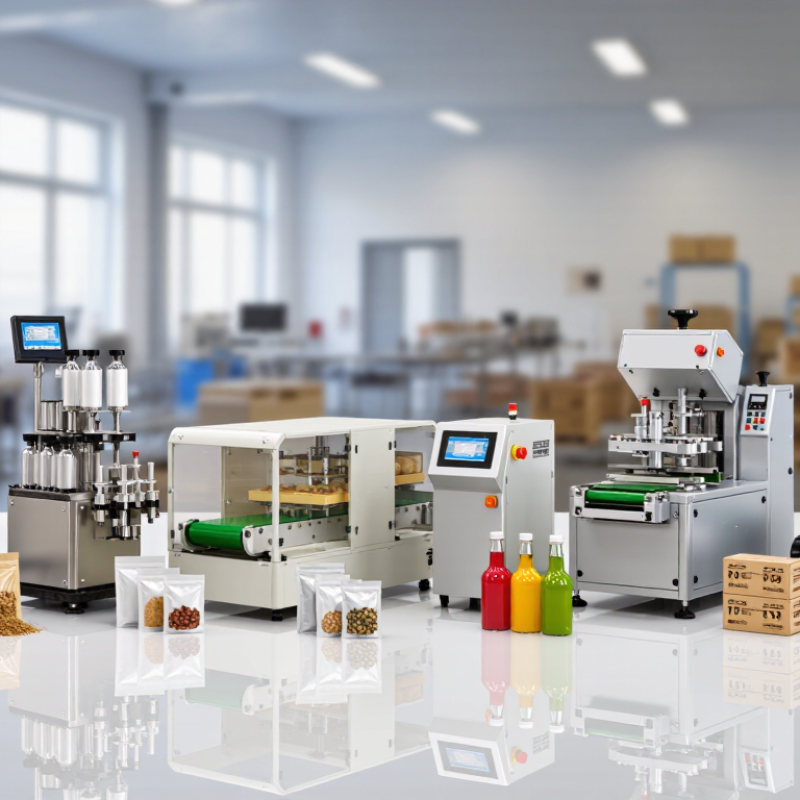
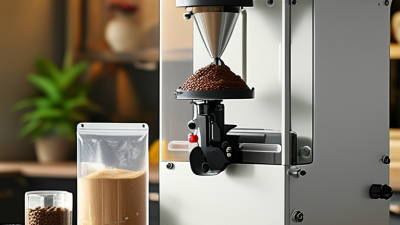
Small packaging machines are compact systems for filling, weighing, sealing, labeling, or wrapping products. They need less floor space than industrial production lines. Common examples include tabletop fillers, pouch sealers, compact labelers, and small vacuum units. A café may pack roasted coffee. A workshop may protect screws, fittings, or handmade goods. Small operators gain consistency without purchasing a full production line. These machines can reduce repetitive labor, spills, and uneven presentation.
They suit startups, contract packers, farm shops, laboratories, and growing online sellers. They work well when daily output is steady but still modest. I have found that buyers often underestimate setup space. A machine may fit a bench, yet need clearance for rolls, cables, and cleaning. Product texture also matters. Powders can bridge, liquids can drip, and fragile items can deform. Speed claims are not enough; test samples with your actual product and packaging material. Global buyers should verify voltage, plug type, manuals, spare parts, and service response before payment. No machine is perfect. This is often ignored.
Tips: Measure your workspace twice, including operator movement. Request a sample test before ordering. Check whether parts can be cleaned without special tools. Keep a simple maintenance log, even when production is small. A cheaper machine may become expensive if downtime or difficult adjustments interrupt daily orders.
Comparing small packaging machines worldwide requires more than checking speed and price. The right choice depends on product texture, package size, production volume, and available floor space.
Common options include:
Each handles a different production problem. A compact machine may look efficient, yet struggle with sticky powders or uneven pieces.
Start with product trials using your actual materials. Ask for measured output, seal strength, fill accuracy, noise levels, and changeover time.
A machine rated at 40 packs per minute may deliver less during manual feeding. That difference matters. Check whether the frame resists corrosion and whether contact parts can be removed without special tools. Cleaning should not require an entire afternoon. It sometimes does.
Global buyers should compare voltage options, control-language support, spare-part availability, and remote troubleshooting.
Request wiring diagrams, maintenance schedules, training plans, and clear warranty terms. Confirm that the machine can meet the destination market’s safety and electrical requirements. Total cost includes freight, installation, consumables, downtime, and operator training. Cheap parts can become expensive delays.
Do not trust brochures alone.
Run a documented factory test with representative film, containers, and product weight. Record rejected packs and adjustment steps.
A small footprint is useful, but access around the machine is equally important. Leave room for cleaning and repairs. The best machine is not always the fastest one; it is the one that performs consistently under real working conditions.
Small packaging lines often fail during product changeovers, not at maximum speed. For global buyers, the right machine must match material, volume, and operator skill. Seven leading types deserve attention: tabletop vertical form-fill-seal machines, horizontal flow wrappers, cup fillers, auger fillers, piston liquid fillers, induction sealers, and compact labeling machines. Each solves a different packaging problem. No machine is best for every product.
A tabletop vertical machine suits grains, powders, and small snack portions. It forms pouches from roll stock and saves floor space. Horizontal wrappers handle bars, soap, and other stable items. Cup fillers and sealers work well with measured dry or semi-liquid portions. Auger fillers improve powder dosing, but humidity can alter accuracy. Piston fillers offer practical control for sauces, oils, and viscous products. Test your actual product. Catalog samples can mislead.
Induction sealers add tamper-evident protection to compatible containers without heating the whole product. Compact labelers apply front, back, or wrap labels at modest speeds. During evaluation, check voltage, film width, container tolerance, spare parts, and cleaning access. Ask for a recorded test using your packaging. Confirm food-contact materials and local import requirements. Small mistakes become expensive. I would also inspect noise, rejected packs, and changeover time. Buyers sometimes choose speed first, then regret the maintenance burden. A slower machine may deliver steadier output with fewer operators.
Small packaging equipment works best when matched to the product, pouch material, and expected output. A tabletop heat sealer suits small batches of coffee, snacks, powders, or spare parts in pre-made bags. It is simple, affordable, and easy to maintain. A continuous band sealer fits higher daily volumes and supports laminated pouches with printed dates.
For oxygen-sensitive products, a chamber vacuum machine offers stronger air removal than an external vacuum sealer. It works well with solid foods, prepared ingredients, and textured bags. A tray sealer is better for ready meals, fresh produce, and medical-free food containers. It can apply film lids neatly, though tray depth and film compatibility need careful testing.
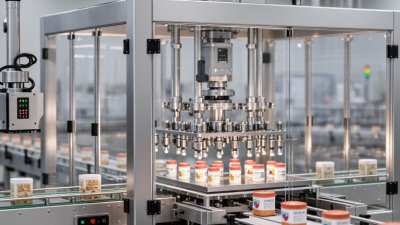
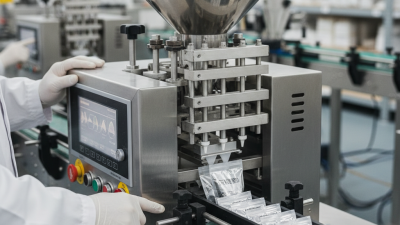
A vertical form-fill-seal machine creates bags from roll film. It matches grains, granules, powders, and small hardware when automated filling matters. An auger filler handles consistent powders, while a piston filler suits sauces, creams, and other liquids. A stick-pack machine fits narrow, portable portions such as drink mixes or seasonings. I have seen buyers focus on machine speed and overlook seal strength. That mistake becomes costly after shipping vibration. Test real products, actual packaging film, and the target fill weight before choosing. A smaller machine may be slower, yet easier to clean and more reliable for changing products. This is often the better trade-off.
For global buyers comparing seven small packaging machines, compliance should guide the shortlist before price. The EU Machinery Regulation (EU) 2023/1230 becomes applicable in January 2027, while ISO 12100 supports risk assessment and safer machine design. Ask for a declaration of conformity, electrical schematics, guarding details, and language-ready manuals. Check voltage, frequency, plug type, and food-contact materials before ordering. A 220V machine may fail in a 110V facility. Small details become expensive delays.
Cost should mean total cost of ownership, not the invoice alone. PMMI’s 2024 State of the Industry reporting places U.S. packaging machinery shipments above 10 billion dollars in 2023, showing strong demand but also pressure on lead times and service capacity. Request spare-parts pricing, remote support hours, installation costs, and operator training in writing.
The U.S. Department of Energy reports that predictive maintenance can reduce maintenance costs by 25–30% and downtime by 35–45%. That evidence supports basic sensors, fault logs, and accessible maintenance panels.
Still, buyers can over-specify technology. A simpler machine may be more dependable where technicians are limited. Consider a sealed bearing, a loose cable, and one missing fuse. Maintenance reality is rarely elegant.