China Top 10 Automated Packing Machine Manufacturers?

Choosing among China’s leading automated packing machine manufacturers requires more than comparing catalog prices. Buyers should examine the product range, machine speed, changeover time, control systems, and after-sales support. A line packing stand-up pouches may need different feeding and sealing features from one handling cartons or bottles. Small details matter. Ask how the machine performs with your actual product, packaging material, and target output—not just a sample shown at a trade fair.

Packaging automation expert Jorge Izquierdo of PMMI has emphasized the value of connecting automation decisions to wider production needs. A useful way to express that principle is: “Choose a machine for the whole line, not just the purchase order.” Treat this as a practical buying guide, not a verified verbatim quotation. It points to a common blind spot: a fast machine can still create delays if upstream feeding, downstream inspection, or operator training is overlooked.

This overview of China’s top 10 manufacturers offers a starting point for comparing capabilities, rather than a universal ranking. Manufacturer claims deserve careful checking. Request specifications, confirm which options are standard, and ask for a live demonstration using comparable materials. Review service coverage, spare-parts access, and commissioning support before deciding. A polished brochure can hide awkward changeovers. And a low quoted price may omit useful accessories. The strongest choice is the one that fits your product, operating team, and realistic production targets. Manufacturers differ, and the right shortlist may look different for each buyer.
China Top 10 Automated Packing Machine Manufacturers?

What Automated Packing Machines Are and How They Work

What Automated Packing Machines Are and How They Work

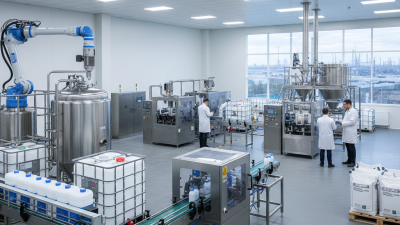
Automated packing machines prepare, fill, close, label, and inspect products with limited manual handling. A typical line uses conveyors, sensors, programmable controls, servo motors, and sealing units. The product enters through an infeed conveyor. Sensors detect its position and spacing. The control system then synchronizes filling, bag forming, carton erection, or case sealing.

Some machines handle powders, liquids, granules, or irregular solid products. A weighing system measures each portion before filling. A sealing jaw closes the package with controlled heat and pressure. Vision inspection may check print quality, seal position, and missing items. Checkweighers can reject packages outside the programmed weight range. Small details matter. A dusty sensor can stop the entire line.

The International Federation of Robotics reported 541,302 industrial robot installations worldwide in 2023, a 10% increase from 2022. This wider automation trend supports faster and more consistent packing operations.

However, automation is not automatically efficient. PMMI industry guidance repeatedly emphasizes integration, operator training, changeover speed, and data visibility. In real factories, a poorly adjusted feeder can waste materials faster than a manual station. Product shape, film tension, humidity, and cleaning requirements also affect performance. I have found that the most reliable systems are not always the fastest. They are easier to inspect, adjust, and maintain. That point is often underestimated.

Key Types of Automated Packing Machines Made in China

Key Types of Automated Packing Machines Made in China

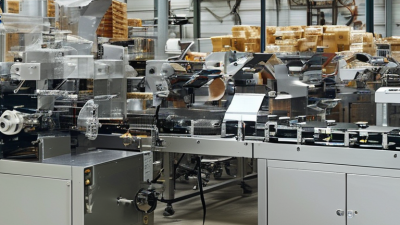
China’s automated packing machine sector covers several practical formats. Vertical form-fill-seal machines handle powders, granules, snacks, and small hardware. Horizontal flow wrappers suit bakery products and individually sealed goods. Premade pouch machines support zippers, spouts, and multi-lane filling. Liquid and paste fillers use piston, servo, or gravity systems. Cartoners, case packers, and robotic palletizers complete the end-of-line process.

The choice should follow the product, not the machine’s appearance. A dusty powder may need auger dosing and enclosed dust control. A fragile biscuit needs gentler timing and film tension. Modified-atmosphere packaging requires accurate gas flushing and sealing checks. According to Fortune Business Insights, the global packaging machinery market reached about USD 52.83 billion in 2023, with continued growth expected through 2032. Mordor Intelligence estimates China’s packaging machinery market will grow from roughly USD 11.52 billion in 2025 to USD 15.75 billion by 2030. These figures indicate strong demand, but market size does not guarantee operating reliability.

In factory trials, check seal strength, changeover time, compressed-air use, and rejected packs. Also test real materials, not only sample film. That matters. Some machines promise high speeds, yet unstable feeding reduces actual output. A 2023 PMMI industry report highlights automation, labor availability, and equipment integration as major packaging priorities. One weakness remains easy to overlook: training quality. A technically advanced line can still underperform when operators lack clear maintenance procedures.

Key Types of Automated Packing Machines Made in China

Representative throughput benchmarks by machine type, measured in packs per minute

These representative benchmarks reflect commonly published operating ranges for automated packaging equipment. Actual output depends on product characteristics, package size, filling accuracy, material, machine configuration, and production-line integration.

Criteria for Evaluating Chinese Packing Machine Manufacturers

China Top 10 Automated Packing Machine Manufacturers?

Evaluating Chinese packing machine manufacturers requires more than comparing prices. Check their production experience, engineering team, and experience with similar products. A reliable supplier should explain filling accuracy, sealing temperature, machine speed, and material compatibility clearly. Vague promises deserve careful questioning.

Visit the factory if possible, or request a live video inspection. Look for organized assembly areas, labeled electrical cabinets, and documented quality checks. Ask for test records using your actual product and packaging film. A machine may perform well with dry powder but struggle with sticky or uneven materials. Small details matter.

After-sales support is equally important. Confirm response times, spare-part availability, installation guidance, and operator training. Review certifications that apply to your target market, but verify their scope and validity independently. I have seen attractive quotations exclude sensors, molds, or delivery costs. That mistake can change the real budget quickly. Ask for a complete technical offer.

References from recent customers provide stronger evidence than polished brochures. Request feedback about downtime, maintenance, and communication after delivery. Do not judge every factory by one impressive demonstration. A practical evaluation may reveal weaknesses, and that is useful before signing a contract. Test the machine repeatedly. Reliability needs evidence.

Profiles of Ten Chinese Automated Packing Machine Manufacturers

China’s automated packing machine sector serves food, household goods, hardware, and other industries. The ten profiles below focus on manufacturing strengths rather than ranking companies. Each describes a capability buyers can verify through machine trials, technical documents, and customer references.

One manufacturer may specialize in vertical baggers for granular products, with quick-change forming tubes. Another may build horizontal systems for bars or cartons. A third may focus on liquid filling and pouch sealing.

A fourth may integrate weighing, filling, and checkweighing. A fifth may offer case packing for mixed product sizes. Details matter.

A sixth profile is a maker of shrink-wrapping lines, where even heat and film tension affect finish quality. A seventh may design labeling and coding equipment for fast line changes. An eighth may engineer robotic pick-and-place cells with guarded work areas.

A ninth may serve small factories with compact, semi-automatic machines. The tenth may provide custom line integration, coordinating conveyors, sensors, and controls. These are capability-based profiles, not verified company rankings.

When comparing suppliers, ask for sample runs using your actual packaging material and product. Review changeover time, cleaning access, spare-part availability, and the control system’s fault messages.

A polished demonstration is useful, but not enough. I’d also request measured output under realistic operating conditions; catalogue speed can disappoint.

How to Compare Manufacturers and Choose a Suitable Supplier

When comparing automated packing machine manufacturers, begin with your product and actual production conditions. Ask each supplier to run a sample using your packaging film, product, and target speed. Watch the seals, fill accuracy, rejected packs, and machine stops. A quoted speed means little if it was measured without regular changeovers or real product. Request a clear list of included equipment, utilities, installation work, and spare parts. Small omissions can become costly.

Check how the machine handles different pack sizes. Ask for changeover time and see whether an operator can adjust guides and settings without special tools. Review service response times, training plans, and references from factories with similar products. A neat brochure can still hide practical gaps.

No comparison sheet is perfect. Record what each supplier confirms in writing, then compare total operating costs, not just purchase prices. One detail is easy to miss: ask which components have long lead times. Also consider whether local technicians can diagnose faults remotely. A supplier may look strong on paper, yet a slow support process can interrupt a busy shift. A short, witnessed production trial often reveals more than another sales meeting.

Go to Top