Top Sachet Filling Machine Manufacturers Worldwide?

Choosing the top sachet filling machine manufacturers worldwide requires more than comparing websites or production figures. Real evaluation begins with machine performance on the factory floor. Operators notice sealing consistency, film tracking, cleaning access, and changeover time. A polished brochure cannot show every weakness.

This guide examines manufacturers serving food, beverage, cosmetic, pharmaceutical, and household product sectors. It considers filling accuracy, sachet formats, production speed, automation, and material compatibility. Strong suppliers usually provide factory testing, validation documents, spare parts, and responsive technical support. These details matter when a machine runs thousands of sachets during a long production shift. Small delays can quickly become expensive.

No ranking is perfect. Some companies publish limited technical data, while others rely heavily on regional distributors. That makes independent verification important. Buyer references, video demonstrations, service records, and sample testing can reveal more than advertising claims. A reliable manufacturer should explain tolerances clearly and identify unsuitable applications honestly. That honesty is valuable.

The following overview compares established global manufacturers through practical and professional criteria. It also considers customization, operator safety, energy use, and long-term maintenance. Readers should match each supplier with their product viscosity, sachet size, packaging material, and target output. The best choice is not always the fastest machine. It is the machine that performs reliably within the buyer’s real operating conditions.
Performance comes first.
Top Sachet Filling Machine Manufacturers Worldwide?

What Is a Sachet Filling Machine?

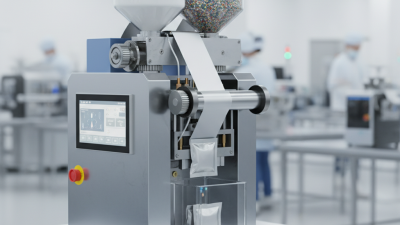
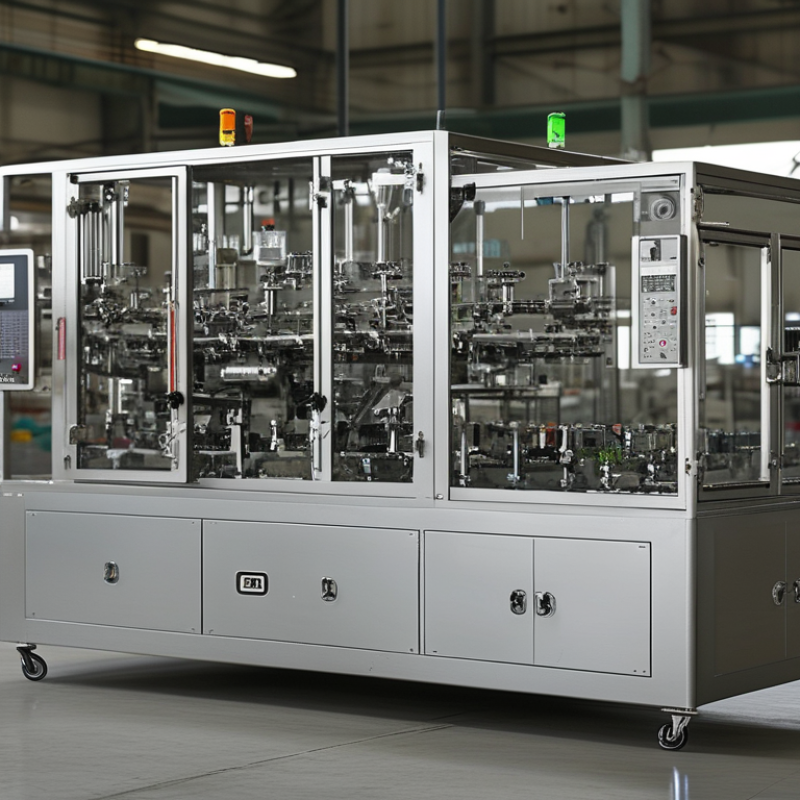
A sachet filling machine is an automated system that creates, fills, seals, and cuts small flexible packages. It usually unwinds a roll of packaging film and shapes it around a forming tube. The dosing unit then delivers a measured amount of powder, granules, liquid, or paste. Heat sealing closes the sachet, while a cutting station separates each finished pack. Sensors track film alignment, sealing temperature, and product weight. These details directly affect leakage, appearance, and production consistency.

From practical factory experience, operators inspect the first sachets from every production run. They check seal strength, fill accuracy, edge alignment, and readable batch information. A reliable machine should offer stable recipe controls, washable contact parts, and tool-free access to key areas. Quick-change forming sets also reduce downtime when package sizes change. However, no machine suits every product. Fine powder may create dust, while thick liquid can require a different pump design. That assumption can fail.

When evaluating manufacturers worldwide, buyers should request material trials using their own film and product. They should also review speed at the required fill range, not only the maximum advertised output. Clear manuals, operator training, spare-part availability, and responsive technical support reveal a manufacturer’s practical reliability. A machine may look impressive during a short demonstration, yet daily performance depends on cleaning routines, calibration, film quality, and operator skill. Sometimes, a slower setting produces fewer rejects and better overall efficiency.

How Sachet Filling Machines Work

How Sachet Filling Machines Work

Sachet filling machines convert flexible film into measured, sealed packets. The process begins with film unwinding from a roll. A forming collar folds the film around a product tube. Sensors track registration marks, keeping each sachet aligned. The filling system then measures powder, granules, or liquid through an auger, cup, or piston. Vertical sealing jaws close the back and bottom edges using controlled heat and pressure. A cutting knife separates individual sachets.

Accuracy depends on more than the filler. Film tension, product density, humidity, and sealing temperature can change results. A 2024 PMMI industry report identified automation and labor availability as continuing packaging priorities. It also reported that U.S. packaging machinery shipments exceeded 10 billion dollars in 2023. That figure explains the investment in sensors, servo drives, and inspection systems. Yet a faster machine is not always better. Excessive speed can shorten sealing time and increase leaks. This is where real production experience matters.

Tips: Test the actual product, not only water or empty film. Check seal strength, weight variation, and rejected packs during every shift. Use a calibrated checkweigher and inspect the first ten sachets after setup. ISO 2859-1 sampling principles can support inspection planning, but they cannot replace process control. Operators should record film temperature, filling weight, and stoppage causes. Small records often reveal large problems.

Key Types of Sachet Filling Machines

Key Types of Sachet Filling Machines

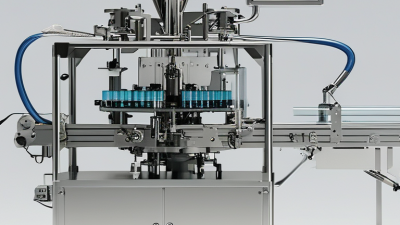
Sachet filling machines differ mainly by product texture, dosing accuracy, and package format. Vertical form-fill-seal machines suit powders, granules, and free-flowing products. They form film from a roll, dose the product, seal, and cut each sachet continuously. Horizontal machines handle flat sachets and certain liquid or viscous products with controlled piston or pump dosing. Stick-pack systems create narrow, elongated packs and often use multiple lanes for higher output. Shorter packs, less film waste, but more complex changeovers.

Auger Fillers, Volumetric Cups, and Piston Fillers Auger fillers are widely used for powdered products because their screws control volume consistently. Volumetric cup fillers work well with uniform granules, while piston fillers provide practical accuracy for sauces, gels, and other liquids. Multi-lane designs can increase production without expanding the machine footprint. A 2024 Grand View Research report valued the global form-fill-seal machines market at approximately 8.31 billion dollars in 2023, with continued growth forecast through 2030. This broader figure includes sachet-related equipment, not sachets alone, so direct comparison requires care.

Machine selection should reflect real production conditions. Test bridging powders, foaming liquids, and dusty environments before purchase. CIP-friendly contact parts may reduce cleaning time. Servo-driven dosing improves repeatability, but adds cost and maintenance skill. Smithers’ flexible packaging research continues to show strong demand for lightweight formats, yet sustainability claims can become vague. A smaller sachet is not automatically a better package. Film recyclability, seal integrity, and actual material usage still need measured validation.

Leading Sachet Filling Machine Manufacturers Worldwide

Top Sachet Filling Machine Manufacturers Worldwide

Leading sachet filling machine manufacturers worldwide are judged by measurable performance, not attractive brochures. Buyers should examine dosing accuracy, sealing stability, changeover time, and after-sales response. In practical factory evaluations, a machine may perform well during testing but struggle with dusty powders or sticky liquids. This gap deserves attention.

PMMI’s 2024 State of the Industry report valued United States packaging machinery shipments at approximately 10.2 billion dollars in 2023. Smithers also forecasts continued growth in global flexible packaging demand through 2028. These figures indicate strong investment in automated sachet production. However, market reports often combine several packaging formats, so direct sachet comparisons are imperfect. Reliable manufacturers should provide application trials, recorded reject rates, and validation data from similar materials.

Tips: Request a trial using your actual film, product, and filling range. Check seal strength after temperature changes. Ask whether spare parts are locally available. A practical target is stable output above 95% of rated speed, although product characteristics can reduce it. Review electrical standards, hygiene design, cleaning access, and operator training before signing a purchase agreement. Do not select equipment only by the lowest quotation. A cheaper machine can create higher waste, downtime, and maintenance costs.

Top Sachet Filling Machine Manufacturers Worldwide? - Leading Sachet Filling Machine Manufacturers Worldwide

Evaluation Dimension Worldwide Industry Benchmark Typical Leading-Supplier Capability Buyer Verification Point
Primary sachet formats Three-side seal, four-side seal, stick pack, and center-seal pillow sachet Single-lane and multi-lane configurations with interchangeable forming and sealing components Confirm sachet dimensions, seal pattern, tear notch, and film structure
Common product applications Powders, granules, liquids, viscous products, creams, gels, and small solid items Dedicated or modular dosing systems matched to product flow, viscosity, and particle size Request product trials using the actual formulation and packaging material
Typical production speed Approximately 30–250 sachets per minute, depending on product, format, and lane count High-speed multi-lane systems may exceed 400 sachets per minute for suitable products Compare tested output, not only the machine’s maximum rated speed
Filling accuracy Generally within approximately ±1% to ±3% for stable products and validated dosing systems Auger, multi-head, volumetric cup, piston, pump, or weigh-based dosing options Obtain a documented accuracy study at the target fill weight
Usual fill-weight range Approximately 0.1–100 g for many sachet applications Change parts and dosing assemblies can be selected for low-dose or larger sachet products Check minimum practical dose, product density, and changeover requirements
Film compatibility Heat-sealable laminate structures, including paper-based, PET, PE, OPP, and foil-containing films Servo-controlled film tracking, registration control, and adjustable sealing temperature and pressure Verify seal performance, coefficient of friction, web width, and film thickness
Automation architecture PLC-based control, touchscreen HMI, servo drives, sensors, and electronic recipe management Automatic film registration, no-product/no-seal logic, alarm diagnostics, and batch data access Review PLC brand availability, cybersecurity policy, and remote-support options
Hygienic construction Stainless-steel product-contact areas, sloped surfaces, removable parts, and limited product-retention zones Washdown-oriented designs for selected food, beverage, personal-care, and pharmaceutical applications Check material certificates, cleanability, ingress protection, and validation documents
Common compliance requirements CE marking for applicable European-market equipment; UL or equivalent requirements for selected North American projects Risk assessment, electrical documentation, guarding, emergency stops, and technical files Confirm compliance with the destination country and the product sector
Quality-control integration Checkweighers, metal detectors, vision inspection, seal inspection, and reject systems Inline inspection can be synchronized with the packaging machine and production records Define acceptable defect limits, rejection accuracy, and data-retention needs
Changeover performance Approximately 15–60 minutes for common format or product changes, depending on machine design Tool-less adjustments, recipe storage, quick-release parts, and guided setup procedures Measure changeover time with the intended products, film, and operators
Utilities and installation Electrical power and compressed air are commonly required; exact consumption varies by model Typical systems operate on industrial single- or three-phase power and regulated compressed air Request utility consumption, footprint, line height, and service-access drawings
After-sales support Installation, operator training, spare parts, preventive maintenance, and technical assistance Remote diagnostics and regional service coverage are increasingly offered for export projects Evaluate response time, local parts stock, warranty scope, and service personnel availability
Best-fit manufacturer profile A supplier with proven experience in the required product category, format, speed, and destination-market standards Strong candidates provide test results, reference installations, technical drawings, and lifecycle support Use a site-acceptance test and total-cost-of-ownership comparison before purchase

Note: Figures are typical industry ranges for sachet packaging equipment and can vary according to product characteristics, sachet size, film properties, lane count, automation level, and local regulations.

How to Choose the Right Sachet Machine Manufacturer

Top Sachet Filling Machine Manufacturers Worldwide?
How to Choose the Right Sachet Machine Manufacturer

Choosing a sachet machine manufacturer requires more than comparing purchase prices. Start with the product, pouch material, target fill weight, and required speed. A reliable supplier should run trials using your actual powder, granules, or liquid. Request filmed results, not only brochure figures. Check seal strength, filling accuracy, leakage rates, and changeover time. Small details matter. A clean machine frame and accessible dosing parts can reduce daily maintenance.

Evaluate the manufacturer’s engineering evidence. Ask for factory acceptance testing, electrical drawings, material certificates, and a clear spare-parts list. Experienced teams should explain how the machine handles humidity, dust, viscosity, or unstable product flow. They should also identify limits instead of promising perfect performance. That honesty is useful. A fast demonstration with an unfamiliar product may create misleading expectations.

Service quality often decides long-term value. Confirm installation support, operator training, response times, and remote troubleshooting methods. Speak with several existing users in similar industries, where possible. Ask how quickly worn sealing components arrive. Review warranty conditions carefully, especially for dosing systems and control panels. A low-cost machine can become expensive when technical support is weak. I have seen purchasing teams focus heavily on output speed and overlook cleaning access. That decision may look efficient at first, but it can complicate every production shift. Choose a manufacturer that documents performance, accepts reasonable testing conditions, and communicates technical risks clearly.

Go to Top