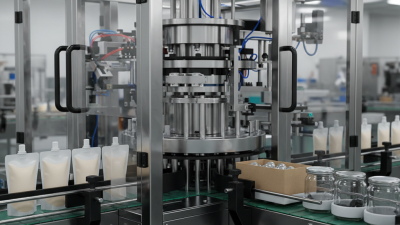
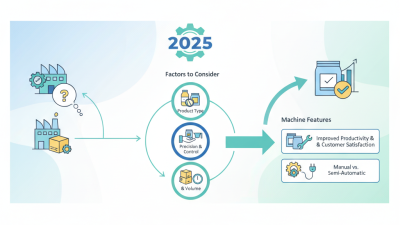
Choosing a reliable sachet filling machine manufacturer in China requires more than comparing catalogue prices. Buyers must examine filling accuracy, sealing quality, production speed, and after-sales support. A machine may look affordable, yet hidden costs can appear through spare parts, installation, training, or shipping. These details influence the real investment.
Experienced manufacturers usually provide clear specifications, factory videos, sample testing, and technical documentation. They should explain whether the equipment handles powders, granules, liquids, or sauces. Film width, sachet size, filling range, and compatible packaging materials also affect the final quotation. A professional supplier will not promise identical results for every product. Testing matters.
Price ranges vary because machine structures and automation levels differ. Basic models may suit smaller operations, while multi-lane systems can support higher output. However, the cheapest offer is not always the safest choice. Reliable manufacturers discuss warranty coverage, electrical standards, delivery schedules, and maintenance access before receiving an order.
Real purchasing experience often reveals small but important issues. A sensor may need adjustment after transport. A sealing temperature may require product-specific testing. These points are easy to overlook. No supplier is perfect, and no machine fits every factory. Buyers should request videos, references, performance data, and a written quotation. This article reviews China’s leading sachet filling machine manufacturers, compares practical features, and explains pricing factors. It aims to support a careful decision based on evidence, not attractive promises alone.
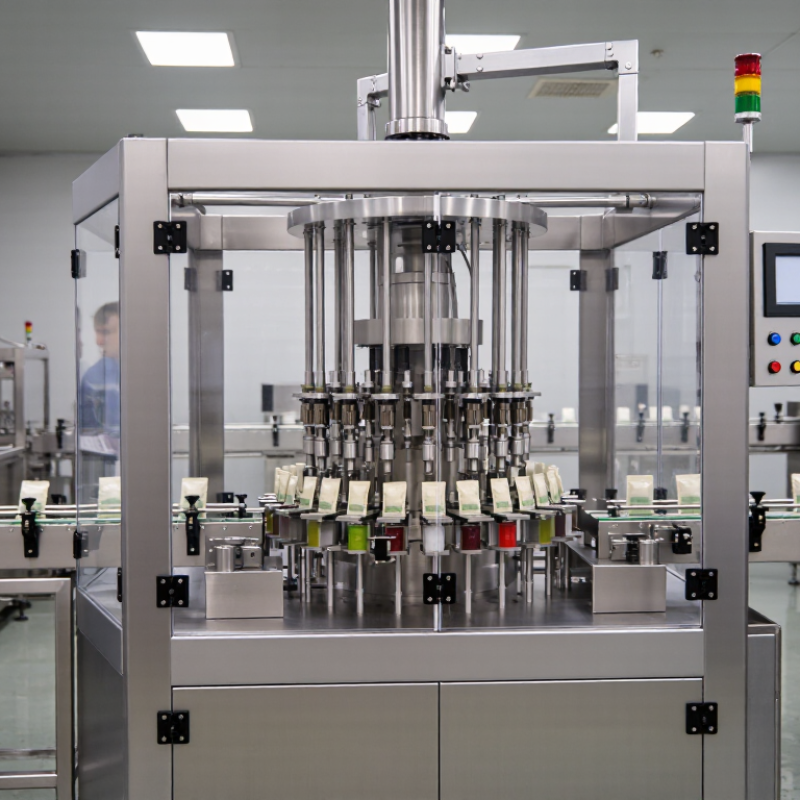
Sachet filling machines form, fill, and seal compact packs for powders, granules, liquids, and pastes. Their design depends on product texture, sachet size, and required output. Speed is not everything. In production trials, consistent sealing often matters more than a higher advertised rate. China-based manufacturers commonly offer different configurations for food, personal care, household, and other regulated products.
Vertical form-fill-seal machines create sachets from laminated film rolls. They suit powders, granules, and many free-flowing products. Stick-pack machines produce narrow packs for single-use portions. Premade-sachet fillers load and seal prepared pouches.
Powders behave differently. Auger dosing supports fine powders, while volumetric cups suit more uniform granules. Liquids and pastes usually require piston or pump dosing. This choice affects accuracy, waste, and cleaning time.
Key features include servo film control, PLC settings, photo-eye registration, temperature monitoring, and automatic fault alarms. A proper factory test should check seal strength, fill-weight variation, changeover time, and operator access. Nitrogen flushing may help protect suitable products from oxidation.
Prices vary with the dosing system, sealing format, automation level, and stainless-steel grade. A low quote can mislead. Tooling, delivery, installation, and validation may cost extra.
Any quotation without product trials deserves careful review. Small details matter. A fast machine can still produce crooked seals when film tension is poorly adjusted. That weakness is easy to miss in a showroom.
When evaluating Chinese sachet filling machine manufacturers, do not begin with the lowest quoted price. Begin with your product and film. Ask whether the machine handles powder, granules, liquids, or mixed materials consistently. Request a live test using your actual film width, product density, and target fill weight. Photos are not enough. A serious manufacturer should record speed, filling accuracy, sealing temperature, and rejected sachets during the test. These records reveal more than polished catalog claims.
Check factory capability beyond assembly. Review machining areas, electrical wiring, spare-part storage, and quality inspection records. Ask who makes critical components and how replacement parts are identified. Clear serial numbers and drawings reduce maintenance delays. Request references from similar applications, not unrelated packaging projects. Speak with an existing user if possible. Their comments about cleaning time and operator training often expose weaknesses. No checklist is perfect.
Price needs careful interpretation. Compare the same specification line by line, including augers, pumps, date coders, conveyors, tooling, installation, and training. A cheap base quote may exclude customs packing, validation documents, remote support, or spare sealing parts. Ask for a written warranty, response time, payment milestones, and acceptance criteria. A reliable supplier will explain limitations instead of promising impossible speed. That honesty may cost slightly more. It can prevent expensive downtime.
The chart shows typical ex-works price ranges in USD for commonly purchased sachet filling machine categories in China. Actual quotations vary according to filling material, sachet size, dosing accuracy, automation level, production speed, packaging film, inspection systems, and after-sales service. When evaluating manufacturers, compare technical specifications, test-run results, component quality, documentation, warranty terms, and total cost of ownership rather than price alone.
China’s leading sachet filling machine manufacturers differ in engineering depth, customization, and after-sales support. A serious comparison should examine output speed, filling accuracy, sealing stability, and changeover time. Some suppliers specialize in powder products, while others handle liquids, granules, or mixed materials. The machine must match the product, not only the advertised speed.
Price usually depends on dosing technology, film width, servo systems, and automation level. A basic powder sachet machine may cost less, but it can require more manual adjustment. A higher-priced model may include automatic film correction, temperature control, date coding, and remote diagnostics. Ask for a full quotation. It should list spare parts, installation, training, shipping, and warranty terms. Hidden costs remain common.
Factory verification adds practical confidence. Request a live filling test using your actual product and packaging film. Check sample weight records, seal strength, electrical components, and cleaning access. Food-contact parts should have suitable material documentation. Pharmaceutical applications require stricter validation and traceability. These details matter.
No comparison is perfect. A polished video can hide maintenance problems. A low price can also signal limited support, though not always. Buyers should compare documented performance instead of promises. The best supplier is often the one that explains limitations clearly and provides measurable evidence. That honesty is valuable.
| Supplier Profile | Machine Configuration | Typical Applications | Filling Range | Output Range | Film Width | Filling Accuracy | Indicative Price | Best Suited For |
|---|---|---|---|---|---|---|---|---|
| Profile A | Single-lane vertical sachet machine | Powders, granules, salt, sugar and seasoning | 1–50 g | 25–45 sachets/min | Up to 160 mm | ±1–2% | US$3,000–6,000 | Start-ups and small production runs |
| Profile B | Multi-lane liquid sachet machine | Sauces, shampoo, gel, honey and liquid medicines | 1–20 ml | 60–180 sachets/min | Up to 240 mm | ±1–2% | US$7,000–15,000 | Personal-care and food liquid packaging |
| Profile C | Auger-based powder sachet machine | Coffee, milk powder, flour, spices and pharmaceutical powders | 0.5–100 g | 30–70 sachets/min | Up to 180 mm | ±1–3% | US$6,000–14,000 | Accurate powder dosing |
| Profile D | Four-side-seal stick pack machine | Sugar sticks, instant drinks, salt and pharmaceutical granules | 0.5–30 g or ml | 120–400 sticks/min | 30–120 mm per lane | ±1–2% | US$10,000–25,000 | High-volume stick-pack production |
| Profile E | Premade-pouch sachet filling and sealing machine | Liquids, pastes, powders and small solids | 5–500 g or ml | 20–50 pouches/min | 80–240 mm pouch width | ±1–3% | US$8,000–20,000 | Flexible packaging formats |
| Profile F | High-speed multi-lane liquid or powder system | Large-scale beverage, food and pharmaceutical packaging | 1–100 g or ml | 200–800 sachets/min | Multiple lanes; project-specific | ±1–2% | US$25,000–60,000+ | Continuous industrial production |
Note: The specifications and prices above are indicative market ranges for China-manufactured sachet filling equipment. Final values depend on product characteristics, dosing system, number of lanes, packaging material, automation level, optional equipment, inspection standards and shipping terms.
Sachet filling machine prices in China usually range from USD 8,000 to USD 80,000. The final quote depends on speed, dosing accuracy, and automation level. A single-lane machine often costs less than a multi-lane system. Powder, liquid, and granule products also require different dosing assemblies. Those assemblies can change the price sharply.
Smithers’ The Future of Flexible Packaging to 2028 estimates the global flexible packaging market reached about USD 291.1 billion in 2023. It forecasts continued growth through 2028. This expansion increases demand for compact, high-speed sachet equipment. PMMI’s 2024 State of the Industry report also highlights automation, labor availability, and serviceability as important equipment concerns. Therefore, servo motors, automatic film tracking, date coding, and online inspection may raise the purchase price. They can reduce waste and operator dependency later.
Do not compare quotations by price alone. A cheaper machine may exclude molds, installation, spare parts, or factory testing. Packaging material is another practical factor. Thin film can wrinkle during sealing. Difficult materials may need stronger temperature control. Local voltage, shipping, training, and after-sales response also affect ownership costs. In my experience, supplier specifications are sometimes optimistic. Actual output should be checked with the buyer’s product and film. A realistic comparison includes three-year maintenance, rejected sachets, and production downtime, not only the initial invoice.
Choosing a sachet filling machine starts with the product, not the advertised speed. Define whether you need powder, granule, or liquid filling. Measure the sachet size, fill weight, film width, and required output. Ask manufacturers in China for test videos using your actual material. A measured trial reveals sealing wrinkles, dust leakage, and weight variation better than a brochure. Request food-contact certificates, electrical specifications, spare-parts lists, and warranty terms. Price alone misleads. A low quotation may exclude a date coder, auger, installation, or shipping.
During purchase, compare the complete configuration and calculate the delivered cost. Check whether the machine supports your film type and local voltage. Confirm filling accuracy during continuous operation, not only during a short demonstration. Ask about remote training, manuals, and technical response times. A factory visit can reveal cleanliness, wiring quality, guarding, and inspection habits. Do not rush this decision.
Maintenance should be practical for every shift. Clean product-contact parts after production, especially around the hopper, dosing screw, and sealing jaws. Inspect seals, heaters, sensors, belts, and cutting blades weekly. Keep records of temperature, fill weight, rejected sachets, and replaced parts. Lubricate only approved points, and isolate power before service. One overlooked sensor can stop a whole morning. My caution is simple: maintenance may feel excessive until a small leak delays delivery. Recheck calibration after changing film, product, or batch size.