Why Choose a Manual Pouch Filling Machine?
Why Choose a Manual Pouch Filling Machine?
Flexible packaging continues to expand across food, cosmetics, supplements, and household products. Smithers’ The Future of Flexible Packaging to 2028 forecasts a global market exceeding US$300 billion by 2028. This growth reflects practical benefits, including lighter materials, efficient storage, and attractive shelf presentation. Yet, many small producers cannot justify a fully automated line. A manual pouch filling machine offers a controlled entry point, especially for short runs, product trials, and frequent pouch-size changes.
Operators can place a pouch beneath the filling nozzle, trigger the pedal, and inspect each seal before packing. This direct workflow supports hands-on quality control. It also reduces complex setup requirements. PMMI industry reports consistently identify labor availability, equipment flexibility, and operational efficiency as major packaging concerns. A manual system addresses these pressures without demanding extensive automation infrastructure. It can fit beside a stainless-steel worktable rather than occupying an entire production floor.
The choice still requires careful evaluation. Filling accuracy depends on product flow, operator training, pouch design, and regular calibration. Powders may bridge inside the hopper. Sticky products may leave residue around the nozzle. These are not minor details. They affect waste and customer trust. A machine should support documented cleaning procedures, suitable food-contact materials, guarding, and applicable local standards. Reported market figures also use different definitions, so comparisons need caution. That part is easy to overlook. An experienced supplier should provide trial results, maintenance guidance, and realistic output estimates. The machine may not be perfect, but its simplicity can become a genuine production advantage when matched with the right product and workflow.
What Is a Manual Pouch Filling Machine?
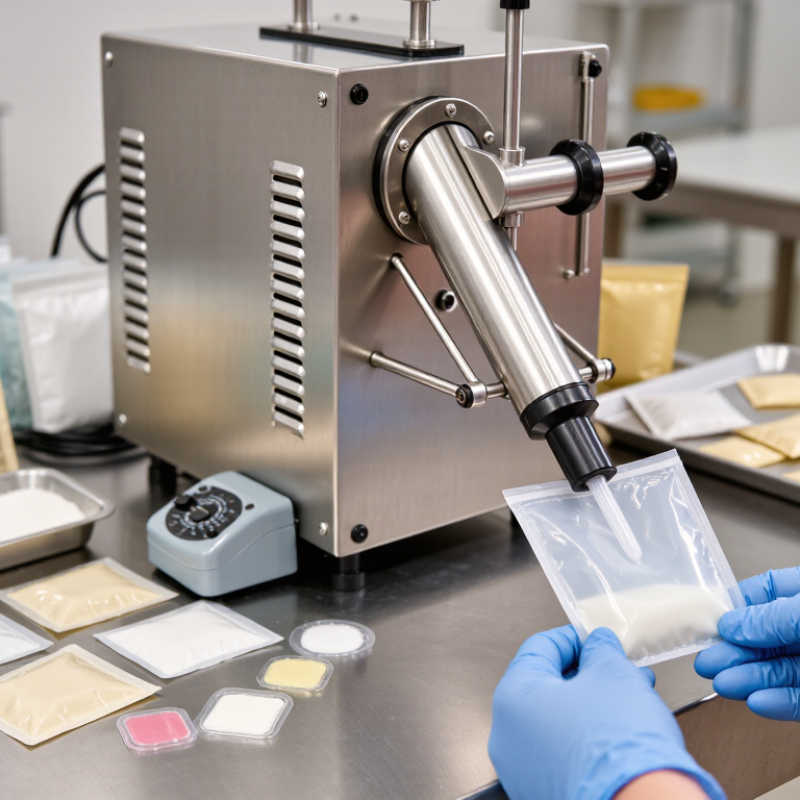
A manual pouch filling machine is a compact system for dosing products into preformed pouches. It usually includes a product hopper, dosing mechanism, pouch holder, and hand or foot control. The operator places each pouch, releases a measured portion, and moves it to sealing. Some units include an integrated heat sealer, but filling and sealing remain separate operations. That distinction matters.
Manual equipment suits pilot batches, seasonal production, and frequent pouch-size changes. It also helps small facilities test recipes before purchasing an automated line. In practice, setup can be quick, especially when cleaning between products. However, output depends heavily on operator technique. A rushed hand may tilt the pouch, create dust, or leave an uneven fill. This is the weakness. Accurate scales, simple work instructions, and routine checks reduce variation, although they cannot remove it completely.
Market data explains the interest in pouch formats. Grand View Research valued the global flexible packaging market at approximately USD 268.76 billion in 2023. It projected a 4.8% compound annual growth rate from 2024 to 2030. PMMI reported that U.S. packaging machinery shipments reached about USD 10.2 billion in 2022, reflecting continued investment in packaging operations. These figures do not prove that manual filling is always better. They show why flexible, lower-cost equipment remains relevant for controlled production volumes.
Which Products and Industries Use Manual Pouch Fillers?
Manual pouch fillers suit small businesses, test kitchens, and production lines with changing product sizes. They handle coffee, tea, spices, grains, seeds, dried fruit, snacks, and powdered ingredients. Small cosmetic makers may fill bath salts, clay masks, and dry creams. Agricultural suppliers often use them for sample packs and seed portions.
Food processors value simple controls and quick product changes. Cosmetic workshops need clean contact surfaces and careful handling. Nutraceutical operations may use fillers for powders, provided their process meets applicable quality requirements. Retailers and contract packers also use manual equipment for seasonal runs. From practical shop-floor experience, filling accuracy depends on product flow, pouch shape, and operator rhythm. It is not perfectly consistent every time. That limitation deserves honest attention.
Tips: Test the real product before purchase. Check whether powder bridges or grains jam the outlet. Use calibrated scales during setup. Keep a filling log for weight checks. Train operators to level each pouch consistently. Clean product-contact parts after every batch, especially with oily powders. Choose pouch materials that resist tearing and suit storage conditions. Manual fillers can reduce entry costs, but they still need inspection, maintenance, and clear working procedures.
Why Choose a Manual Pouch Filling Machine?
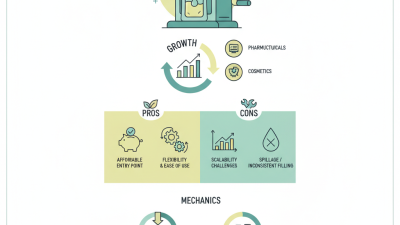
Manual pouch fillers are commonly selected for small-batch production, frequent product changes, and products that require flexible filling control. The 1–5 suitability index reflects typical use-case compatibility rather than market share or sales volume. Dry foods, powders, cosmetics, pharmaceuticals, agricultural products, and specialty chemicals are common application areas.
How to Choose the Right Manual Pouch Filling Machine
Why Choose a Manual Pouch Filling Machine?
How to Choose the Right Manual Pouch Filling Machine
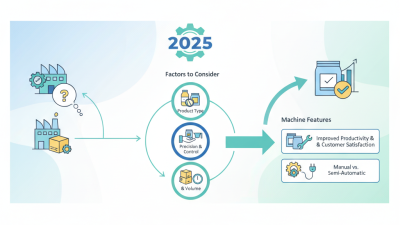
A manual pouch filling machine suits small batches, frequent product changes, and limited production spaces. It gives operators direct control over each filling cycle. That control matters when pouch sizes or filling weights change often. In practical trials, a stable frame reduces spills and operator fatigue. Look for stainless steel contact parts, smooth surfaces, and easy access for cleaning.
Start with the product. Powder, granules, liquids, and sticky materials require different filling systems. Check the target weight, pouch width, and daily output before comparing machines. A model designed for 10 to 100 grams may perform poorly at 500 grams. Ask for sample testing with your actual product. Do not rely only on catalog figures.
Test the machine with real pouches. Observe sealing clearance, feeding consistency, and adjustment time. The handle should move smoothly, without excessive force. Clear graduations help, but they do not replace regular weighing checks. Record ten consecutive fills and compare their weights. Small variations may reveal settling, humidity, or poor operator technique. It is easy to focus on price and overlook cleaning time. That choice can become expensive later. Also consider spare parts, training, and service response. A simple machine is not always simple to operate.