Small components create surprisingly large packaging challenges. A single loose screw may be easy to handle by hand. Thousands of screws, clips, washers, or electrical connectors demand consistent counting, filling, and sealing. A small parts packaging machine can help teams improve accuracy, protect product quality, and keep production moving. The right choice depends on part size, shape, material, target speed, and package format.
Common options include counting machines, weigh-fill systems, vibratory bowl feeders, multihead weighers, and compact vertical form-fill-seal machines. Each handles a different mix of products and production needs. Counting systems suit uniform pieces, while weighing systems can work well with varied or irregular parts. Feeders guide components into position; bagging machines form and seal packages. Details matter. A sharp-edged metal fitting may need different handling from a lightweight plastic cap.
This guide compares the leading machine types, their strengths, and their limitations. It also considers setup, changeovers, accuracy checks, and integration with conveyors or labelers. Those details can be overlooked. They are not minor. No single machine fits every line, and a fast system may still create waste if it damages parts or needs frequent adjustment.
A source-verified quotation from a named small-parts packaging expert was not provided, so I have not invented one. Add an attributable quote only after confirming its wording and source. That extra check matters.
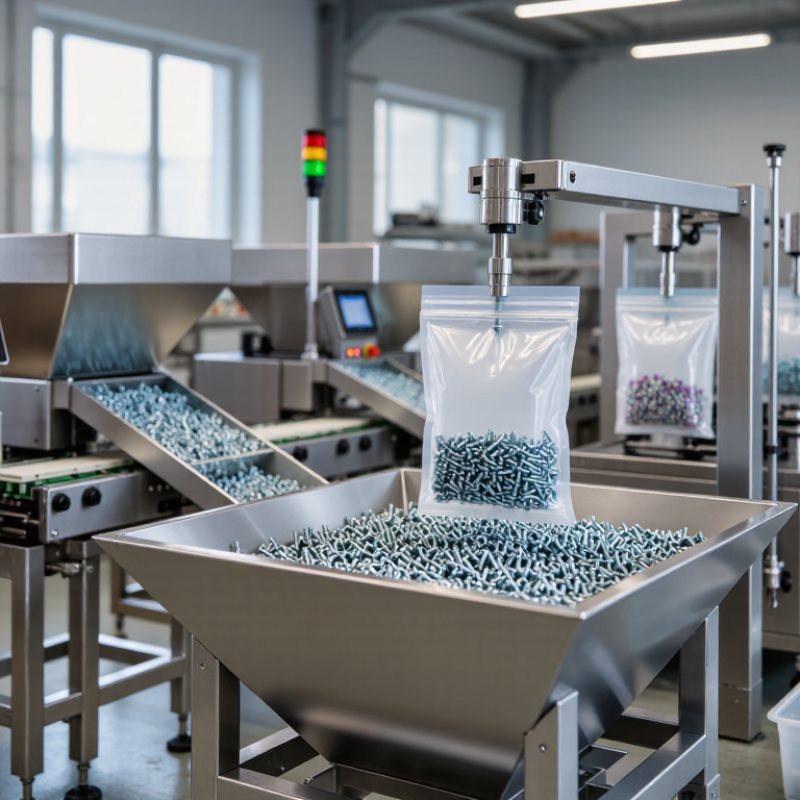
Small-parts packaging machines are best classified by how they measure, feed, and seal each batch. This view is more useful than grouping machines by appearance alone. For screws, washers, clips, or electronic connectors, the key question is whether parts arrive loose, are counted individually, or are assembled into kits.
By dosing method, systems may use volumetric cups, weighing scales, or counting sensors. Volumetric cups suit parts with consistent size, but mixed shapes can shift the fill. Weighing works well when target weight matters; tiny pieces may need a sensitive scale and stable vibration control. Optical or mechanical counters track piece numbers directly. They need reliable spacing. A tangled feed can cause missed counts, even on a capable machine.
Machines are also grouped by packaging format and automation level. Vertical form-fill-seal equipment forms bags from roll film, while pre-made pouch systems open and fill finished bags. Some lines use a manual hopper and foot pedal; others add automatic feeding, weighing, sealing, and date coding. More automation is not always better. Changeovers, cleaning access, and space around the line affect real output. A practical classification should include part size, material, required count accuracy, and expected batch volume. Small trials help. They may reveal awkward jams that a specification sheet misses.
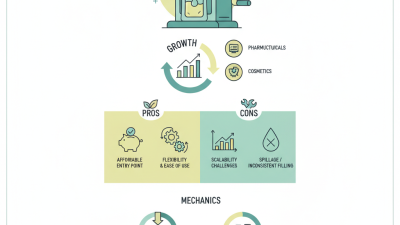
Small-parts packaging machines are commonly classified by how they form or handle the package: counting and filling containers, forming bags from film, filling premade pouches, sealing parts into blister cards, or loading cartons. The chart shows typical format matches, not market share or a guarantee of compatibility; available formats depend on machine configuration and the product.
Automatic counting and bagging machines combine part feeding, quantity control, and pouch sealing in one line. A vibratory bowl or belt separates small items, while a sensor or weighing system checks each batch before release. The machine then forms or fills a bag and seals it. Screws, washers, clips, and molded components are common applications. PMMI’s 2023 State of the Industry report valued U.S. packaging machinery shipments at about $10.9 billion in 2022, up 9.8% year over year. This signals strong investment, but it does not guarantee every line suits every part.
Performance depends on part shape, surface, and feed behavior. Shiny pieces can confuse some optical sensors; tangled parts may bridge in a hopper. A short production trial can reveal these issues before purchase. Track miscounts, bag-weight variation, and changeover time across several runs. Even a well-tuned counter can drift when parts differ slightly. That is worth checking.
Tips: Test with actual production parts, not samples chosen for neatness. Ask for verified counts at your target speed, and check how quickly operators can clear jams. Keep a simple count-check routine. Small errors add up.
What Are the Top Types of Small Parts Packaging Machines?
Weighing and Filling Machines for Bulk Components
Weighing and filling machines move loose components from a hopper into bags, boxes, or trays at a controlled target weight. Vibratory feeders spread parts across the weighing system, while load cells measure each batch. For screws, washers, or molded pieces, the machine can dose a preset weight without counting every item. Small details matter. Part shape, surface friction, and mixed sizes can affect how consistently components flow.
A weight-based count is an estimate, not a count of each individual part. If part weights vary, the package quantity can drift, so operators should check sample packs and adjust the target. Deloitte and MAPI’s 2024 Smart Manufacturing Survey found that 86% of surveyed executives viewed smart manufacturing as a likely primary driver of competitiveness within five years. That supports investment in connected production data, but it does not prove a specific machine will reduce errors. Useful controls include logged weight readings, clear changeover settings, and routine scale checks. Even then, a feeder may bridge or a part may cling to a chute. Real production is less tidy than a test run.
| Machine Type | How It Works | Best Suited For | Common Package Formats | Key Strengths | Important Considerations |
|---|---|---|---|---|---|
| Linear Weigh Filler | Vibratory or linear feeders move product into one or more weighing hoppers. The controller releases a target weight into each package. | Small to medium production runs of relatively uniform parts, such as washers, nuts, fittings, and plastic components. | Pre-made bags, pouches, cartons, trays, or containers placed beneath the discharge. | Compact layout, straightforward operation, and a practical choice for single-product or limited-product lines. | Part shape, surface finish, and vibration behavior can affect feeding and weighing. Test representative parts before selecting feeder settings. |
| Multihead Combination Weigher | Product is distributed to several weigh hoppers. The controller selects the hopper combination closest to the target weight and releases it. | Higher-throughput weighing of free-flowing, relatively consistent small components when the target is specified by weight. | Form-fill-seal bags, pre-made pouches, or containers connected to a suitable bagging or filling system. | Multiple hopper combinations can help achieve target weights quickly while reducing reliance on a single weighing batch. | Irregular, interlocking, oily, or fragile parts may require carefully selected contact surfaces, feeder settings, and product trials. |
| Net Weigh Filling System | A scale weighs a batch in a hopper, then a gate or chute discharges the weighed amount into the package. | Bulk lots of hardware and components sold by weight, especially where the product can be fed consistently into a weigh hopper. | Bags, boxes, tubs, pails, or other containers, depending on the discharge and downstream equipment. | Provides a clear batch-weight control point and can be integrated with manual or automated container handling. | Dust, product bridging, and inconsistent feed can affect accuracy and cycle time; the feed mechanism should match the parts. |
| Parts Counting and Filling Machine | Parts pass through a controlled feed path and are counted individually using a sensor or counting mechanism before being dispensed. | Fasteners and other items sold in fixed quantities, such as a specified number of screws, clips, or electrical terminals. | Bags, cartons, bins, blister packs, or kits, often with a separate sealing or closing step. | Packages are controlled by piece count rather than estimated from total weight, which suits products sold by quantity. | Count reliability depends on consistent part separation and sensor detection. Samples should be tested, especially for overlapping or reflective parts. |
| Vibratory Bowl or Track Counting System | A bowl or linear track orients and separates parts into a single stream, where sensors register each item before it enters a container. | Small, repeatable parts that can be oriented and singulated, including certain fasteners, caps, and molded components. | Open containers, cartons, bags, or assembly kits handled by a downstream station. | Supports controlled feeding and piece counting, and can be tailored to a specific part geometry. | Usually requires product-specific tooling and changeover work. Parts that tangle, nest, or vary significantly may be difficult to singulate. |
| Volumetric Cup Filler | A measured cup or cavity is filled with product and discharged into the package; fill volume is the primary dosing basis. | Free-flowing components with consistent bulk density when a volumetric dose is acceptable. | Bags, pouches, jars, or containers, commonly with a separate packaging or sealing machine. | Mechanically simple dosing approach that can be suitable for repeatable products and straightforward pack formats. | Weight per dose can change when bulk density, orientation, or settling changes. Verify actual pack weights with production samples. |
| Manual Weigh-and-Fill Workstation | An operator places or fills a container while a bench scale displays the target weight; the operator stops filling at the set point. | Low-volume production, frequent product changes, sampling, rework, or orders that do not justify a fully automatic line. | Small bags, boxes, jars, or customer-specified containers. | Flexible and relatively simple to set up for changing products, batch sizes, and package styles. | Output and consistency depend on the operator and work method. Clear weighing procedures and routine scale checks are important. |
Form-fill-seal machines create a package from rollstock, fill it, and seal it in one sequence. Vertical systems suit many free-flowing parts, such as screws, washers, and molded fittings. A feeder or counting system delivers the target quantity; the film then forms a pouch around the batch. Horizontal systems can handle products that need gentler placement or a different package shape. Small parts vary more than they look. A single bent clip can disrupt feeding.
Premade pouch machines use bags made in advance. They open each pouch, fill it, and close it with a heat seal or zipper. This format can simplify changeovers and support stand-up packaging, but it adds the cost of pre-made bags. The Flexible Packaging Association’s 2023 State of the Flexible Packaging Industry report put U.S. industry sales at $42.9 billion in 2022, up 10.8% from 2021. That figure covers flexible packaging broadly, not pouch machines alone, but it shows the scale of the format’s market.
Choose between the systems by testing actual parts, not just sample weights. Check count accuracy, dust, sharp edges, film thickness, and seal consistency. Test it slowly. A machine that runs well for ten minutes may struggle after a full shift. Pouch packaging can look simpler, yet awkward parts may catch at the opening. A short production trial often reveals more than a polished specification sheet.
Blister packaging machines protect individual components in formed cavities sealed with a backing film or card. They suit items such as screws, springs, electrical contacts, and small molded fittings. Each cavity keeps parts visible and separated, which helps during counting, storage, and handling. Small parts need restraint.
A typical line forms cavities in a roll of plastic, places components, then seals the pack. For irregular parts, feeding is often the difficult step. A spring may tumble, while a connector can arrive facing the wrong way. Gentle vibration, adjustable guides, or vision checks can improve placement, but the right setup depends on the part’s shape and surface. Test actual production samples, not only clean display pieces.
Cavity depth should prevent movement without wasting material or making removal awkward. Seal settings also matter: excessive heat can distort a thin tray, while weak seals may lift during transport. Operators should check seal consistency, component counts, and cavity alignment at regular intervals. A specification sheet can make a machine look like an easy fit; in practice, changeovers and rejected packs deserve a closer look. Start with a small trial, record defects, and adjust the tooling or feeding method before committing to a full run.