Top Packing Line Machine Features to Enhance Your Production Efficiency?
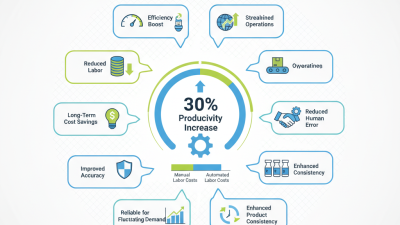
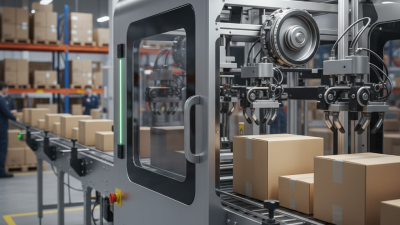
In today’s fast-paced manufacturing sector, efficiency is paramount. A well-designed packing line machine can transform production capabilities. Research shows that companies using advanced packing technologies can improve throughput by up to 30%. With increased automation, packaging processes become faster and more reliable, reducing manual errors.
However, not all packing line machines deliver the expected enhancements. Factors like machine compatibility and integration into existing systems can pose challenges. In a report by the Packaging Machinery Manufacturers Institute (PMMI), over 40% of manufacturers note that outdated equipment hampers efficiency. This reveals a clear need for innovation and evaluation in packing line technology.
Businesses must focus on key features such as speed, versatility, and user-friendly interfaces. A robust packing line machine can streamline operations, but understanding its strengths and limitations is crucial. Making informed decisions based on data will enhance production efficiency and drive success in a competitive market.
Key Features of Automated Packing Lines for Optimal Efficiency
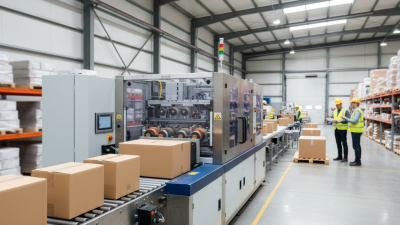
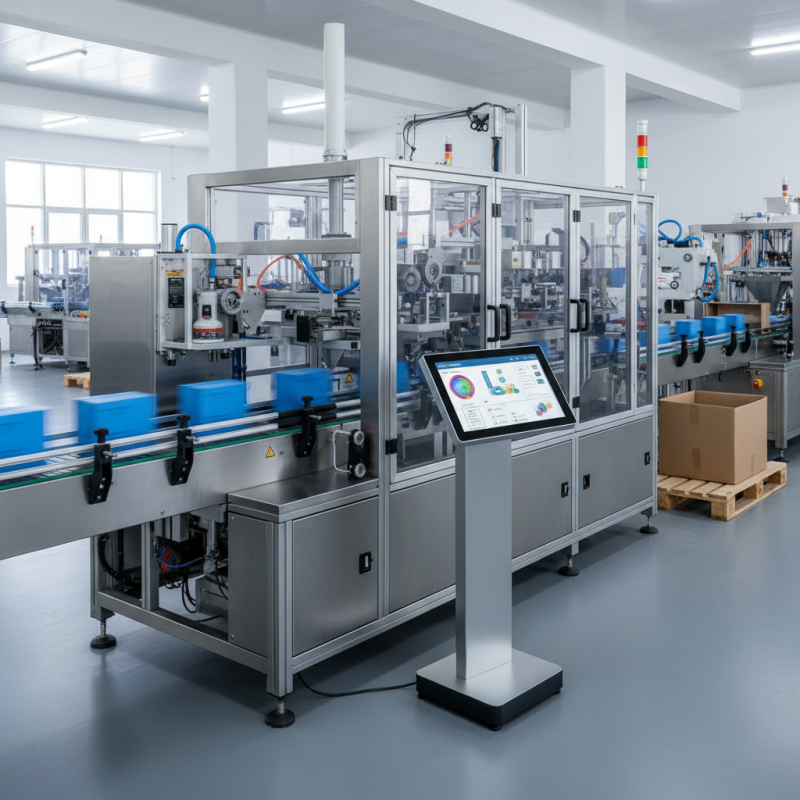
Automated packing lines have revolutionized production efficiency in various industries. One key feature is speed. High-speed machines can pack thousands of items per hour, significantly boosting output. Efficiency is also enhanced through advanced sensors. These sensors detect issues in real-time, minimizing waste and downtime. This allows manufacturers to maintain a steady workflow, optimizing their operations.
Another critical aspect is adaptability. Modern packing lines can easily switch between different products. This flexibility reduces the need for extensive downtime during changeovers. Furthermore, the integration of robotics improves the precision of packing. Robots can handle delicate items with care, reducing the chance of damage. However, maintenance of these robotic systems can be challenging. Regular checks are essential to prevent costly disruptions.
User-friendly interfaces are essential for efficient operation. Operators can quickly identify problems and adjust settings. However, training staff to fully utilize these systems can take time. Inexperienced operators might overlook critical features, leading to inefficiencies. Ongoing training sessions are necessary to address this issue and enhance overall productivity. Emphasizing continuous improvement and reflection on processes can further optimize these automated packing lines.
Impact of Smart Technology Integration on Packing Line Productivity
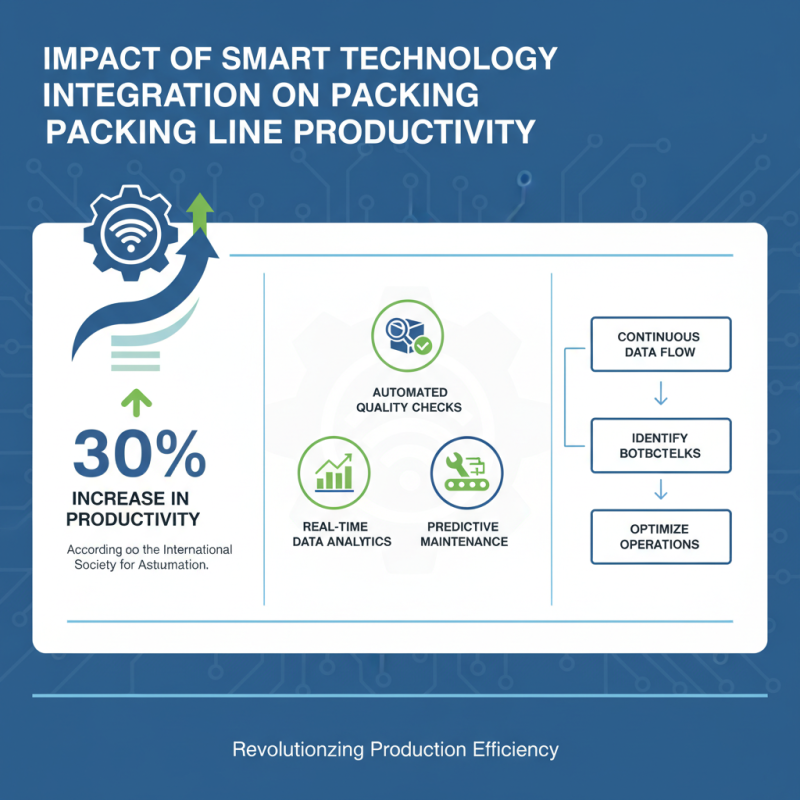
The integration of smart technology in packing lines is revolutionizing production efficiency. According to a recent report from the International Society for Automation, companies implementing smart technology have seen productivity increases of up to 30%. These advancements include features like automated quality checks, real-time data analytics, and predictive maintenance systems. The continuous data flow enables teams to identify bottlenecks quickly and optimize operations accordingly.
Moreover, smart technology allows for flexibility in production schedules. Packagers can adjust settings for various product types without significant downtime. This adaptability can lead to a 25% reduction in lead times, as highlighted by the Food and Beverage Industry Technology Survey. However, transitioning to smart systems is not without challenges. Many companies face difficulties in integrating new technologies with legacy systems. Training staff on new equipment may also slow down initial productivity gains, creating a critical area for reflection and improvement.
Importantly, the impact of smart technology extends beyond mere efficiency. It also enhances product quality and reduces waste. AI-driven robotics can minimize errors during the packing processes. Yet, relying heavily on these technologies can lead to potential vulnerabilities, as disruptions in software or cybersecurity breaches may disrupt operations. Balancing technology reliance with human oversight remains essential for sustainable packing line productivity.
Importance of Modular Design in Enhancing Packing Line Flexibility
Modular design in packing lines is crucial for enhancing flexibility. This approach allows manufacturers to adapt quickly to changing production needs. A study by the International Society of Automation indicates that flexible automation can reduce downtime by 30%. This efficiency boost makes modular systems increasingly popular across industries.
Adopting a modular design means that each component can function independently. This flexibility not only accommodates various products but also supports rapid changes in packaging requirements. According to recent data from Packaging Strategies, companies utilizing modular packing systems see a 25% increase in overall productivity. However, companies should recognize that improper integration of these modular systems can lead to compatibility issues and downtime.
Tips: Regularly assess the layout of your modular packing line. This ensures optimal efficiency and addresses evolving production demands. Engage your teams in training. A well-informed team can adapt to changes swiftly, minimizing potential disruptions. Balancing flexibility with system compatibility is vital for long-term success.
Top Packing Line Machine Features to Enhance Your Production Efficiency
| Feature |
Description |
Impact on Efficiency |
| Modular Design |
Allows for easy reconfiguration and scaling of the packing line |
Increases flexibility and minimizes downtime when changing product types |
| High-Speed Operation |
Enables faster packing and greater throughput |
Boosts overall production rates |
| Automation |
Incorporates robotics or automated systems for packing |
Reduces labor costs and decreases human error |
| Real-Time Monitoring |
Provides data analytics and monitoring tools |
Facilitates immediate adjustments to improve performance |
| Energy Efficiency |
Uses advanced technologies for lower energy consumption |
Reduces operational costs |
Role of Real-Time Data Analytics in Streamlining Packing Operations
In modern packing operations, real-time data analytics plays a crucial role. By continuously monitoring processes, businesses can identify bottlenecks and inefficiencies. This immediate feedback allows for adjustments, improving overall workflow. Implementing such analytics can lead to significant time and cost savings.
Tips: Consider integrating sensors that collect data throughout the packing line. This aids in detecting issues as they arise, preventing larger setbacks later. Another suggestion is to utilize dashboards for visual analyses. These visuals help team members quickly grasp performance metrics.
The challenge, however, lies in the implementation of these technologies. Many companies may hesitate due to costs or complexity. Furthermore, employee training is essential. Without proper guidance, the data generated can overwhelm staff, leading to confusion rather than clarity. Hence, a balanced approach is necessary to ensure that the introduction of real-time analytics enhances productivity without adding unnecessary stress.
Benefits of Customization in Packing Equipment for Resource Optimization
Customization in packing equipment offers significant benefits for resource optimization. Tailoring machines to specific production needs can greatly enhance efficiency. For instance, customized packing lines can accommodate various product sizes and shapes. This adaptability minimizes wasted space and reduces material costs.
Moreover, the integration of advanced technologies into these machines can streamline operations. Features like automated controls and real-time data tracking improve accuracy. Customization allows manufacturers to incorporate these technologies based on their unique requirements. However, the process can be complex and requires careful planning. Balancing customization with cost efficiency can be challenging.
Investing in bespoke packing solutions often leads to better resource management. Manufacturers can optimize labor by automating repetitive tasks while maintaining quality control. Yet, companies must conduct thorough evaluations to avoid over-engineering their systems. This reflection often reveals areas where simplification could yield better results. Ultimately, customized packing equipment can drive production efficiency when done thoughtfully.