What is Packaging Equipment and How to Choose the Best?
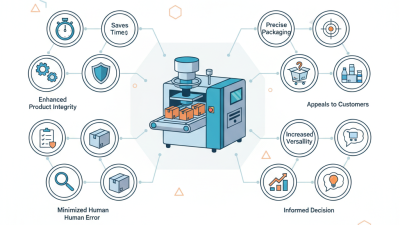
In today's fast-paced market, packaging equipment is crucial for businesses. It impacts efficiency, product safety, and customer satisfaction. However, choosing the right packaging equipment can be a daunting task. Many factors come into play, such as product type, production speed, and budget constraints.
Understanding the different types of packaging equipment is essential. For instance, there are machines for filling, sealing, labeling, and more. Each type serves a unique purpose. Knowing these details helps businesses make informed decisions. However, many still struggle with selection. They often overlook their specific needs or the scale of their operations.
Investing in appropriate packaging equipment is not just about functionality. It also affects brand image and customer retention. Packaging is a customer's first impression. Investing time in research can lead to better choices. While it may seem overwhelming, taking gradual steps can ease the decision-making process. Ultimately, the right packaging equipment can drive success in the competitive landscape.
What is Packaging Equipment: A Comprehensive Overview
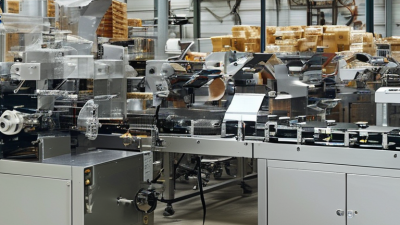
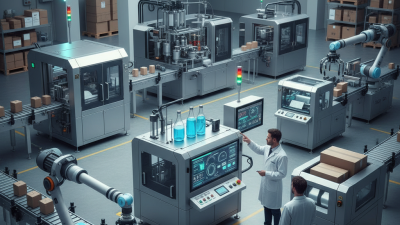
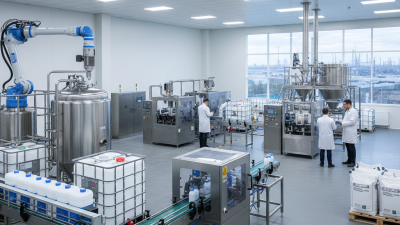
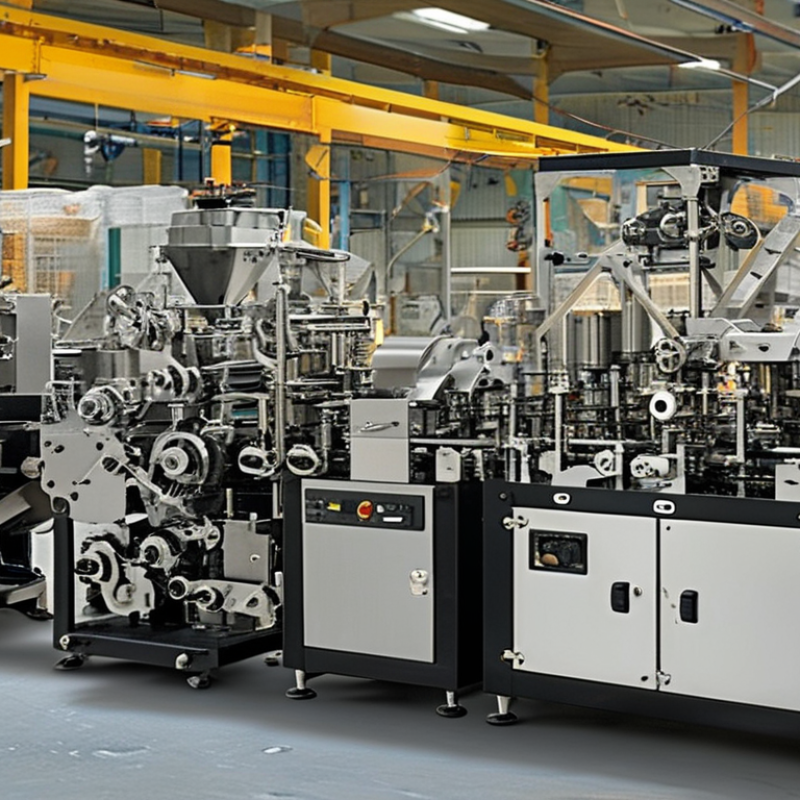
Packaging equipment plays a vital role in various industries. It includes machines for filling, sealing, labeling, and more. This equipment helps ensure product safety and improves shelf life. According to a recent report by Smithers Pira, the global packaging machinery market is projected to reach $60 billion by 2024. This significant growth highlights the importance of efficient packaging solutions in today’s market.
When selecting packaging equipment, several factors come into play. Product type, production volume, and budget are essential considerations. A typical bottling line can operate at speeds between 200 to 2,000 bottles per minute. However, scalability is often overlooked. Businesses may choose equipment suitable for current demand but fail to plan for future growth. This oversight can lead to increased costs and lost opportunities.
Moreover, the choice of equipment should balance automation and manual processes. Automated systems reduce labor costs but require high capital investment. Some companies may need manual solutions during transitional phases. It is crucial to evaluate specific needs and available resources carefully. Many businesses discover gaps in their initial assessments, leading to the need for adjustments later on. Finding that sweet spot between efficiency and cost-effectiveness is key.
Types of Packaging Equipment: An In-Depth Analysis
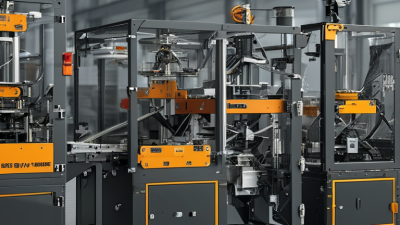
When exploring the types of packaging equipment, it's essential to understand their diverse functions and applications. Packaging machines serve various purposes, including filling, sealing, and labeling products. For instance, vertical form-fill-seal machines are ideal for snack foods, while carton formers are often used in the beverage industry. Each type plays a crucial role in maintaining product quality and enhancing shelf life.
Choosing the right equipment involves evaluating your production needs. Consider the size of your products, the volume of output, and the type of packaging material. Some equipment is tailored for specific industries, which can be limiting. It's also vital to assess the ease of operation and maintenance. Complex machines may require skilled operators, adding to operational costs. Investing in training can improve efficiency, but it’s not always feasible for smaller businesses.
Moreover, staying informed about technological advancements can be a double-edged sword. Newer machines offer enhanced reliability but can be expensive and require adjustments in workflows. Balancing innovation with practicality is key. Gathering insights from industry peers can provide valuable perspectives but remember that what works for one operation may not suit yours. Ultimately, analyzing your unique requirements is essential for making an informed choice.
Key Factors to Consider When Choosing Packaging Equipment
Choosing the right packaging equipment is crucial for any business. Several key factors can help guide your decision. Begin by assessing your product’s specific requirements. Different products may need varied packaging processes. For example, liquids require different sealing compared to dry goods. Understanding these nuances is essential.
Consider the production volume you need to support. High-demand products might necessitate faster machinery. Yet, speed shouldn’t compromise quality. Machines that are too complex can lead to errors and downtime. Evaluating user-friendliness is important. Equipment should be easy to operate and maintain. If staff struggles with the machinery, it can cause frustration.
Budgeting is another critical aspect. Quality machinery often comes with a higher price tag. Cheap equipment may save money initially but could increase long-term costs due to repairs. Researching options can reveal hidden costs and potential savings. Keep in mind, you may need to invest more up front for equipment that lasts longer. Balancing cost and quality is essential for sustainable success.
Evaluating Packaging Equipment: Performance and Efficiency Metrics
When evaluating packaging equipment, metrics related to performance and efficiency are crucial. Understanding throughput rates is essential. This metric indicates how many units the machine can package in a given time. A higher throughput means increased productivity, but remember to balance it with quality. Sometimes, speed leads to errors, resulting in damaged products or waste.
Another key metric is the equipment's reliability. You want machinery that minimizes downtime. Frequent breakdowns can disrupt operations and increase costs. Look for equipment with a strong track record in durability. Research on maintenance requirements is also important. Some machines might seem powerful but require constant upkeep.
Energy efficiency is another consideration. Equipment that consumes less power can save significantly on operational costs. However, efficiency should not come at the expense of performance. Balancing these factors can be challenging. Always weigh the initial investment against long-term savings. Reflecting on these metrics provides a clearer picture of the equipment’s overall value.
Future Trends in Packaging Equipment: Innovations to Watch
The future of packaging equipment is vibrant and full of innovation. With advances in technology, efficiency has become the cornerstone of modern packaging. Automated systems are the norm now, helping businesses reduce labor costs and increase productivity. Innovations like smart packaging are emerging, allowing real-time monitoring of product conditions. This trend is crucial in maintaining quality and enhancing customer experience.
Tips for choosing the right equipment include evaluating your production needs. Consider the types of products you are packaging. For delicate items, gentle handling machinery is essential. The flexibility of machines also matters. Equipment that can adapt to different packaging formats can save on investment and future-proof your operations.
Sustainability is another important trend. Eco-friendly materials and energy-efficient machines are gaining traction. Brands must consider their carbon footprint in packaging choices. The challenge lies in balancing sustainability with cost-effectiveness. Continuous research and development are essential to meet both consumer demand and regulatory requirements. Staying informed about these changes will be critical as the industry evolves.