How to Choose the Right Pouching Machine?

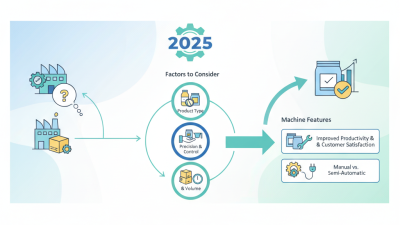
Choosing the right pouching machine can determine whether a packaging line runs smoothly or constantly loses time. The decision affects filling accuracy, seal quality, material waste, labor requirements, and future production costs. A machine that looks efficient during a showroom demonstration may perform differently with your actual film, powder, liquid, or granulated product.

Packaging expert Mike Ferrari is often credited with saying, “Packaging is the silent salesperson.” His observation matters here. A clean seal, consistent pouch shape, and reliable printing can influence customer trust before the product is opened. However, the best pouching machine is not always the fastest model. It must match your product characteristics, pouch format, material structure, and required output.

Begin with the basics. Measure your target pouch size and production volume. Check whether the machine supports your preferred laminate or recyclable film. Test seal strength under real temperature and humidity conditions. Ask suppliers for changeover times, cleaning procedures, spare-part availability, and operator training. These details become important during a night shift.

Safety and compliance also deserve close attention. Equipment should support applicable food-contact, pharmaceutical, electrical, and workplace requirements. Do not rely on attractive specifications alone. Request documented test results and references from similar facilities. No selection formula is perfect. A machine can still underperform when the product behaves unpredictably or staff lack practical training.

This guide explains the main evaluation points. It also highlights common purchasing mistakes. The goal is not simply to buy a pouching machine, but to choose dependable equipment for your real operating conditions. Small details matter.
How to Choose the Right Pouching Machine?

Define Your Pouching Product and Packaging Requirements

How to Choose the Right Pouching Machine?

Define Your Pouching Product and Packaging Requirements

Choosing a pouching machine starts with the product, not the machine catalog. A dry powder, liquid sauce, snack, or medical accessory needs a different feeding and sealing approach. Describe the product clearly, including its texture, density, moisture level, and temperature during filling. A powder that creates dust may require enclosed feeding and controlled air movement.

Next, define the pouch itself. Record the pouch length, width, material structure, thickness, opening style, and sealing temperature. A small sachet may need precise film tracking, while a stand-up pouch may require shaping, zipper handling, and stronger sealing pressure. Include the target fill weight and acceptable variation. Small errors become expensive when thousands of pouches are produced.

Think about the working environment, too. Check available floor space, electrical supply, cleaning routines, and operator access. If the product leaves sticky residue, quick-release contact parts can reduce downtime. In trial runs, test real packaging film, not only sample film. Film stiffness, print marks, and humidity can change machine performance.

Do not select speed alone. A high output rate means little if seals wrinkle or filling accuracy declines. Ask for measurable test results, maintenance requirements, and changeover time. We once underestimated cleaning time during an early evaluation. That mistake changed the final equipment choice. Leave room for future product sizes, but avoid paying for features your operation will never use.

How to Choose the Right Pouching Machine?

Define Your Pouching Product and Packaging Requirements

The pouch format and required fill weight are key factors when selecting a pouching machine. Stick packs and sachets are generally suited to small-dose products, while pillow bags, doypacks, and quad-seal bags support larger fills. Confirm the product flowability, pouch material, sealing temperature, target production speed, hygiene level, and filling accuracy through supplier testing before making a final equipment decision.

Typical industry ranges shown for initial equipment selection; actual limits vary by product, pouch dimensions, film structure, and machine configuration.

Compare Machine Types, Speeds, and Automation Levels

Choosing a pouching machine starts with the product, not the advertised speed. Intermittent-motion machines pause between cycles, making them suitable for powders, liquids, and products needing accurate filling. Continuous-motion machines run with fewer stops and can deliver higher output. However, they often require steadier material flow and tighter setup control. Premade-pouch machines can reduce forming work, but they may limit pouch sizes and require reliable pouch feeding.

Speed should be measured in finished pouches per minute. Ask whether the figure includes filling, sealing, coding, and rejected packs. A machine rated at 100 pouches per minute may produce less during changeovers or film adjustments. Pouch width, product density, seal temperature, and operator skill all affect real output. Faster is not always better. A slower line with fewer leaks may create more sellable products.

Automation levels also deserve careful comparison. Semi-automatic equipment can suit small batches and frequent product changes, while fully automatic systems support consistent, high-volume production. Servo controls, automatic film tracking, and inspection sensors can reduce manual errors. Yet more automation increases training needs, maintenance costs, and troubleshooting complexity. Do not ignore the operator interface. It should show alarms clearly and allow controlled adjustments. A sensible evaluation includes sample runs using your actual product and packaging film. Record speed, waste, seal strength, changeover time, and cleaning effort. One test may expose problems that a specification sheet hides. Consider future expansion, but avoid paying for capacity your team cannot use.

How to Choose the Right Pouching Machine? — Compare Machine Types, Speeds, and Automation Levels

Machine Type Typical Pouch Format Typical Speed Range Automation Level Best-Suited Products Main Advantages Key Limitations Typical Changeover Time Recommended Production Profile
Premade Pouch Filler and Sealer Stand-up, flat, zipper, spouted, and retort premade pouches Approximately 20–80 pouches/minute Automatic; manual and semi-automatic versions are also available Snacks, pet food, coffee, powders, sauces, frozen food, and liquids Flexible pouch styles; attractive finished appearance; suitable for products requiring specialized pouch construction Requires purchased premade pouches; pouch storage and supply costs can be higher Approximately 20–60 minutes, depending on pouch size, filling system, and product Medium to high volumes with multiple pouch styles or frequent format changes
Vertical Form-Fill-Seal (VFFS) Pillow, gusseted, block-bottom, and quad-seal bags formed from rollstock film Approximately 30–120 bags/minute; some configurations can exceed this range Automatic, with integrated film forming, filling, sealing, and cutting Granules, snacks, powders, coffee, grains, frozen products, and non-food goods Efficient use of floor space; forms pouches from film; broad range of filling systems Less suitable for delicate products or complex pouch shapes; seal quality depends on film and product control Approximately 20–45 minutes for a routine size or film change High-volume production using standard bag styles and a relatively narrow range of formats
Horizontal Form-Fill-Seal (HFFS) Flat, three-side-seal, four-side-seal, shaped, and special-format pouches Approximately 30–150 pouches/minute, depending on pouch dimensions and machine cycles Automatic; servo-driven systems provide precise control Medical products, cosmetics, wet wipes, sauces, powders, snacks, and single-use products Produces consistent pouch dimensions; supports precise registration and specialized shapes Usually requires more floor space and higher initial investment than basic vertical systems Approximately 30–90 minutes, depending on tooling and pouch design Medium to high volumes where pouch appearance, shape, and dimensional accuracy are important
Intermittent-Motion Pouching Machine Standard pouches made from rollstock or premade pouch magazines Approximately 20–70 pouches/minute Automatic or semi-automatic Powders, granules, liquids, sauces, and products requiring controlled filling Good filling and sealing accuracy; suitable for heavier or more difficult-to-handle products Lower output than continuous-motion equipment; more stop-and-start movement Approximately 15–45 minutes for standard format changes Small to medium production runs, variable products, and applications prioritizing accuracy
Continuous-Motion Pouching Machine Standard pillow, gusseted, and other high-volume rollstock pouches Approximately 80–250 pouches/minute, depending on pouch size and filling method Fully automatic, usually with servo-controlled motion and integrated inspection options Snacks, confectionery, bakery products, grains, and other high-throughput products High output; smooth product flow; reduced motion-related downtime in long production runs Higher capital cost; less economical for frequent format changes or short production runs Approximately 30–90 minutes, depending on machine configuration and tooling Large, stable production runs with consistent pouch dimensions and limited product variation
Semi-Automatic Pouch Filling and Sealing System Premade flat or stand-up pouches Approximately 5–30 pouches/minute Semi-automatic; an operator typically loads pouches and may initiate filling cycles Small-batch food, powders, liquids, chemicals, and specialty products Lower purchase cost; easy to start and suitable for frequent product changes Higher labor requirement; output and consistency depend more heavily on operator performance Approximately 10–30 minutes for basic product or pouch changes Start-ups, pilot production, seasonal products, and low-to-medium volumes
Multi-Lane Sachet Machine Small four-side-seal sachets produced from rollstock film Approximately 100–600 sachets/minute across all lanes Automatic, with multiple filling and sealing lanes Condiments, cosmetics, pharmaceutical powders, samples, and single-dose liquids Very high output per unit of floor space; efficient for small sachet sizes More complex cleaning and maintenance; format changes can require coordinated adjustments across lanes Approximately 45–120 minutes, depending on lane count and product configuration High-volume single-dose production with stable products and standardized sachet sizes
Data note: Speed ranges are typical industry planning ranges rather than guaranteed outputs. Actual performance depends on pouch dimensions, film properties, product characteristics, filling accuracy, sealing requirements, operator skill, inspection equipment, and the number of lanes. For capacity planning, use the manufacturer’s validated speed at the intended product and pouch size.

Evaluate Material Compatibility and Filling Performance

How to Choose the Right Pouching Machine?

Evaluate Material Compatibility and Filling Performance

The right pouching machine begins with the packaging material, not the machine’s advertised speed. Check the film structure, thickness, stiffness, and heat-sealing range. A material may look suitable but wrinkle around the forming shoulder. That small crease can create weak seals and product leakage.

Request technical data from the film supplier. Then run samples under realistic conditions. Measure seal strength after filling, not only before production. Watch for static, dust, and film slipping during unwinding. Powdery products may cling to surfaces, while oily products can contaminate the seal area. These details often decide whether a machine performs reliably.

Filling performance needs equal attention. Confirm the target weight, fill volume, product density, and acceptable variation. Test the machine at low, medium, and planned production speeds. Check every tenth pouch for weight consistency. Inspect the pouch mouth for splashes or trapped particles. Clean filling is essential.

Do not judge accuracy from one short trial. Product temperature, humidity, and batch variation can change results. A filler that works well for dry granules may struggle with fragile pieces. Auger, volumetric, or multi-head systems each suit different product behaviors. Ask for recorded test data, maintenance requirements, and changeover times. A machine may be fast, yet waste material during adjustment. That trade-off deserves careful review.

Check Machine Quality, Safety, Maintenance, and Flexibility

How to Choose the Right Pouching Machine?

Choosing a pouching machine starts with machine quality, not its advertised speed. Inspect the frame, sealing jaws, sensors, and film path closely. Stainless steel construction helps resist corrosion and simplifies daily cleaning. Ask for test results using your actual pouch material, dimensions, and filling speed. A smooth seal should remain consistent across repeated production runs. Small wrinkles can reveal poor tension control.

Safety deserves equal attention. Look for guarded moving parts, emergency stops, clear access doors, and reliable temperature controls. Operators should adjust settings without reaching near hot sealing areas. Maintenance also matters. Choose a machine with accessible wear parts, clear manuals, and fault messages that technicians can understand quickly. Record cleaning times, replacement intervals, and recurring alarms. A perfect machine rarely exists. Some maintenance plans look practical but fail during busy shifts.

Tips: Request a live demonstration. Bring your own film. Check changeover time with a stopwatch. Ask how quickly common parts can be replaced. Flexible equipment should handle different pouch sizes, seal patterns, and production volumes without excessive tooling changes. Digital recipes can reduce setup errors, but operators still need training. Leave room for future products, since today’s ideal format may change. Test the machine under realistic conditions, including short runs and frequent size changes. That is where hidden weaknesses usually appear.

Balance Purchase Cost, Operating Expenses, and Supplier Support

Choosing the right pouching machine is not about the lowest quotation. It is about controlling total ownership cost.

Grand View Research estimated the global flexible packaging market at USD 248.9 billion in 2023, with a projected 4.8% compound annual growth rate through 2030. This expansion increases pressure on production speed, uptime, and labor efficiency. A cheaper machine may create higher film waste, longer changeovers, or frequent service interruptions. Small losses accumulate quickly.

Build a cost model before requesting final offers. Include purchase price, installation, training, electricity, compressed air, spare parts, maintenance labor, and rejected pouches. Measure output per minute under real product conditions, not only during demonstrations. Record sealing temperature, fill accuracy, film waste, and changeover time. A three-minute changeover saving can matter more than a higher headline speed. It depends on your schedule.

PMMI industry reports consistently identify labor availability and automation investment as major packaging concerns, making operator-friendly controls commercially important.

Supplier support deserves its own budget line. Ask for response times, technician coverage, remote diagnostics, spare-part availability, and documented training. Request references from plants using similar pouch sizes and materials.

Also test the supplier’s honesty. Can they explain a machine’s limits clearly? I have seen evaluations focus too heavily on speed. That is a mistake.

A reliable machine with practical support may deliver better value than an impressive machine that struggles after installation. Recheck every assumption before signing.

Go to Top