Top Benefits of Using an Automated Packing Machine for Your Business?
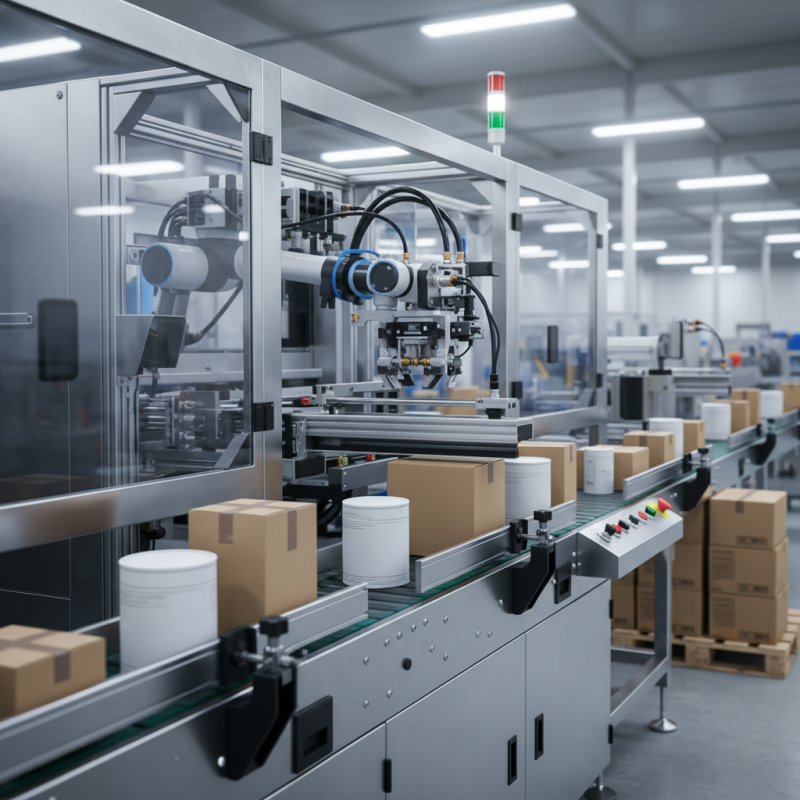
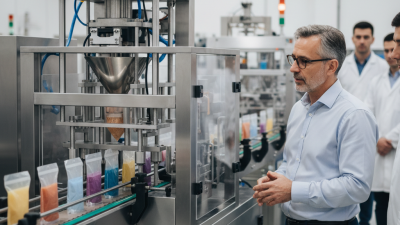
In today’s fast-paced business world, efficiency is key. An automated packing machine can transform your packaging process. This machine streamlines operations, saving you time and labor costs.
Consider the speed. Packing products manually takes time and can result in errors. Automated systems reduce these mistakes. They ensure that items are packed correctly and consistently. Additionally, the machine can handle various product sizes. This feature maximizes versatility for businesses with diverse inventories.
However, adopting such technology requires careful thought. The initial investment can be significant. Small businesses might struggle to justify these costs. Yet, the long-term benefits often outweigh the initial burden. Evaluating your needs is crucial. An automated packing machine can elevate your operations, but only if implemented wisely.
Advantages of Increased Efficiency with Automated Packing Machines
Automated packing machines offer significant advantages for businesses aiming to boost efficiency. These machines streamline the packing process, allowing for faster output. Workers can focus on quality control while machines handle repetitive tasks. This balance can lead to a more productive work environment.
Moreover, automated systems reduce human error. Mistakes in packing can lead to costly returns and dissatisfied customers. By minimizing manual intervention, businesses can see a decrease in these issues. However, it’s essential to monitor the machine’s performance closely. Occasionally, they may malfunction or require recalibration, leading to unexpected downtimes.
Interestingly, adopting automation can shift the workforce dynamics. Employees may feel apprehensive about their roles as machines take on more tasks. Addressing these feelings is vital. Upskilling opportunities can help staff adapt, ensuring they remain valuable assets to the company amid technological advancements.
Cost Savings through Labor Reduction and Operational Streamlining
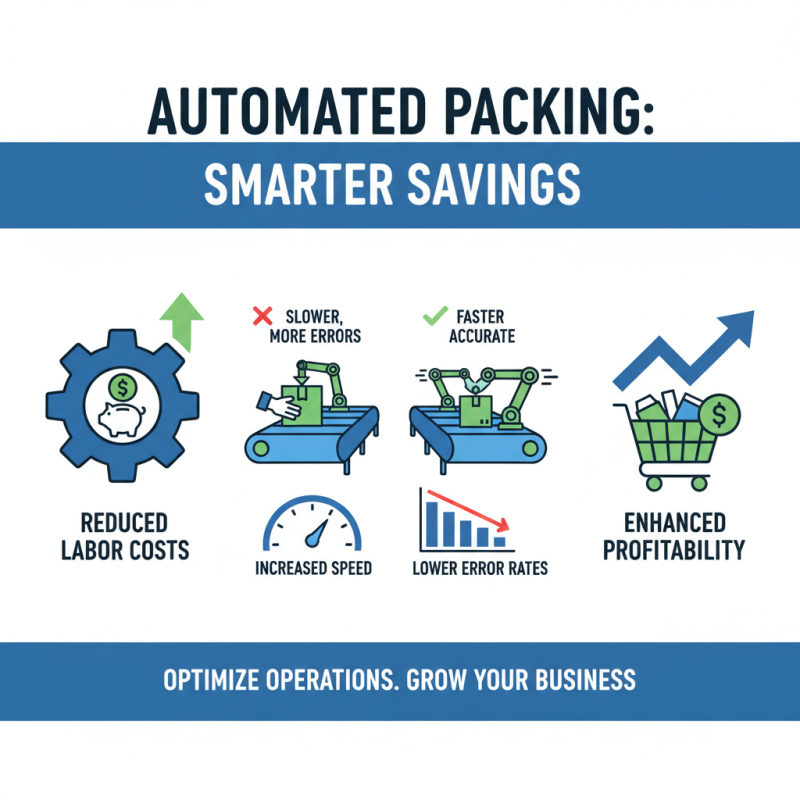
Using an automated packing machine can lead to significant cost savings for businesses. By reducing the need for manual labor, companies can cut down on staff-related expenses. This transformation allows resources to be channelled towards other critical areas. For instance, packing speed increases while error rates typically decrease. More products move off shelves quickly, enhancing profitability.
Operational streamlining is another key advantage. Automated machines work consistently, reducing downtime caused by breaks or fatigue. They handle repetitive tasks efficiently, which minimizes the chances of mistakes that can arise from human oversight. However, some businesses may face initial challenges during the transition. Adapting to new technology requires training and can disrupt established workflows. This adjustment period may seem daunting.
Despite these potential hurdles, the long-term benefits often outweigh the temporary discomfort. Embracing automation fosters flexibility and scalability. Companies can respond faster to market demands. Remember, pushing through these changes could be what sets a business apart in a competitive landscape. A little patience can lead to greater rewards.
Enhanced Consistency and Quality Control in Packaging Processes
Automated packing machines significantly enhance consistency and quality in packaging processes. According to a report by the Packaging Machinery Manufacturers Institute, companies using automation see a 25% improvement in overall efficiency. This uplift leads to fewer errors during the packing phase. When packing is consistent, businesses reduce waste and prevent damages. For example, inconsistency in box sizes can lead to voids during shipping. Automated systems minimize such issues.
Quality control is crucial. Studies indicate that 70% of packaging defects are due to human error. Automating the packing process reduces this risk. Machines perform repetitive tasks accurately, ensuring that products are packed correctly every time. Visual inspections integrated into machines can catch flaws. This practice enhances product integrity and boosts customer satisfaction.
However, reliance on automation does come with its challenges. Initial setup costs can be high. Additionally, companies must train staff to work alongside machines. There can be resistance to change from employees who prefer traditional methods. This adjustment period may lead to temporary dips in productivity. Understanding these factors is essential for a smooth transition.
Top Benefits of Using an Automated Packing Machine for Your Business
Flexibility and Scalability for Growing Business Needs
Flexibility and scalability are critical in today's fast-paced business environment. Automated packing machines offer solutions that cater to both small and large operations. According to a recent industry report, over 70% of businesses see increased efficiency when implementing automation. This efficiency translates directly into improved output and reduced operational costs.
As companies grow, their packaging needs often change. Automated packing machines can be easily adjusted to accommodate various product sizes and types. This adaptability helps businesses avoid excessive delays and minimize waste. Research indicates that 60% of businesses reported enhanced production rates due to these machines. However, there are challenges in the initial setup and training staff to operate new systems effectively. It's essential to understand that while automation offers many benefits, it also requires investment and commitment.
The evolving market demands a response that traditional methods may not provide. Some businesses find themselves struggling with outdated processes. Automation serves as a bridge, but it requires careful integration into existing workflows. Companies must remain vigilant about their capacity to scale. Otherwise, they might risk falling behind competitors who have embraced more flexible solutions. Embracing automation is not just a choice; it's necessary for survival in a dynamic landscape.
Improved Safety and Reduced Injury Risks for Employees
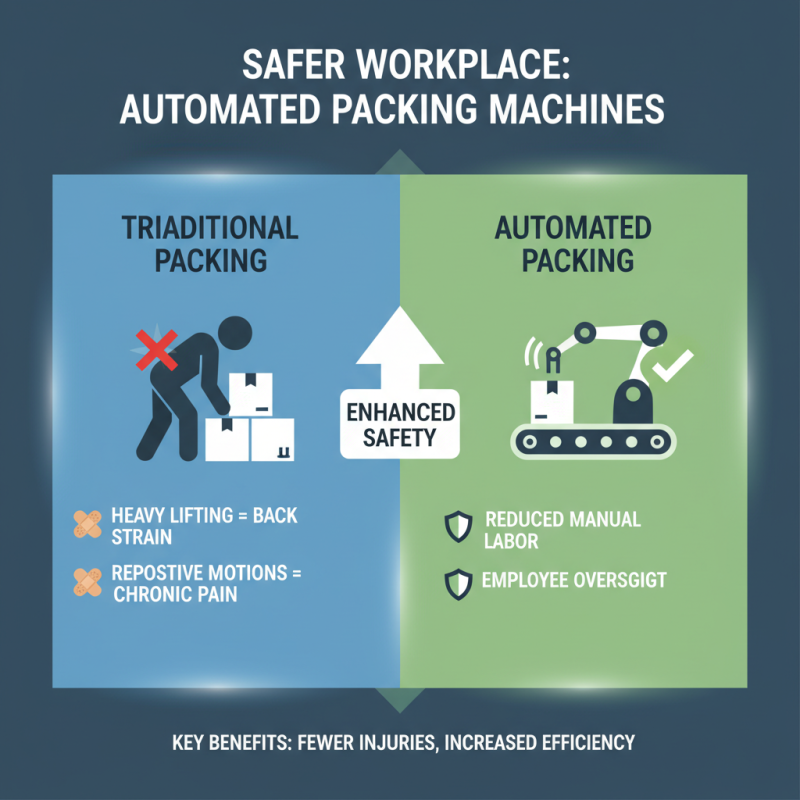
Automated packing machines significantly enhance workplace safety. They reduce the need for manual labor, which often leads to injuries. Lifting heavy items can cause back strains. Repetitive motions often result in chronic pain. These machines streamline the packing process, allowing employees to focus on oversight, rather than strenuous tasks.
In addition, automated packing systems are designed with safety features. Emergency stop buttons and safety covers minimize risks. Employees can feel secure knowing that the machine works effectively. Training may be needed, as new technology can be daunting. However, once mastered, these machines boost efficiency and safety simultaneously.
Some employees may initially resist automation. Change often brings uncertainty. It's important to address their concerns and provide support. Over time, they may see the positive impacts. With proper implementation, automation can lead to a more secure and productive work environment.