Top 10 Benefits of Automated Packaging Machines for Your Business
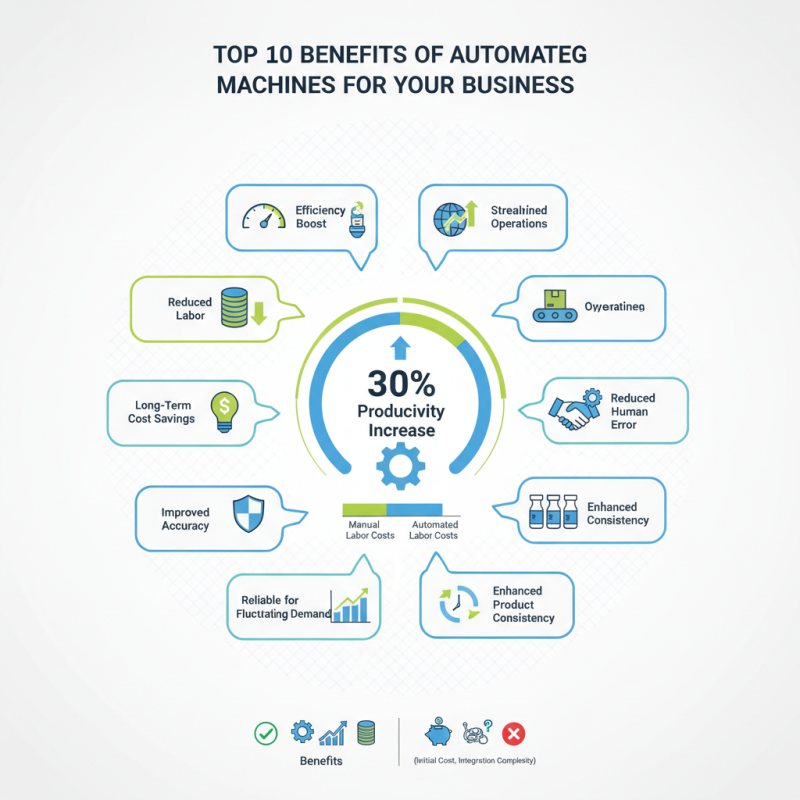
As businesses strive for efficiency, the adoption of automated packaging machines is on the rise. According to recent industry reports, companies implementing these machines have seen productivity increases of up to 30%. This boost in efficiency can halve the labor costs associated with manual packaging. With the global packaging automation market expected to grow at a CAGR of 14.2% from 2021 to 2028, it is evident that many recognize the value of automation.
Automated packaging machines streamline operations, reducing human error and enhancing product consistency. Such machines can operate continuously, providing a reliable solution for businesses facing fluctuating demand. However, not all businesses fully leverage this technology. Some remain hesitant due to initial investment costs. This hesitation can lead to missed opportunities in efficiency and higher operational costs.
Moreover, while automated systems improve speed, they can sometimes lead to complex integration challenges. Companies need to consider their specific needs before committing to automation. Ultimately, understanding both the benefits and challenges of automated packaging machines is essential for making an informed decision. The right approach can transform packaging processes and significantly impact overall success.
Advantages of Automated Packaging Machines in Operational Efficiency
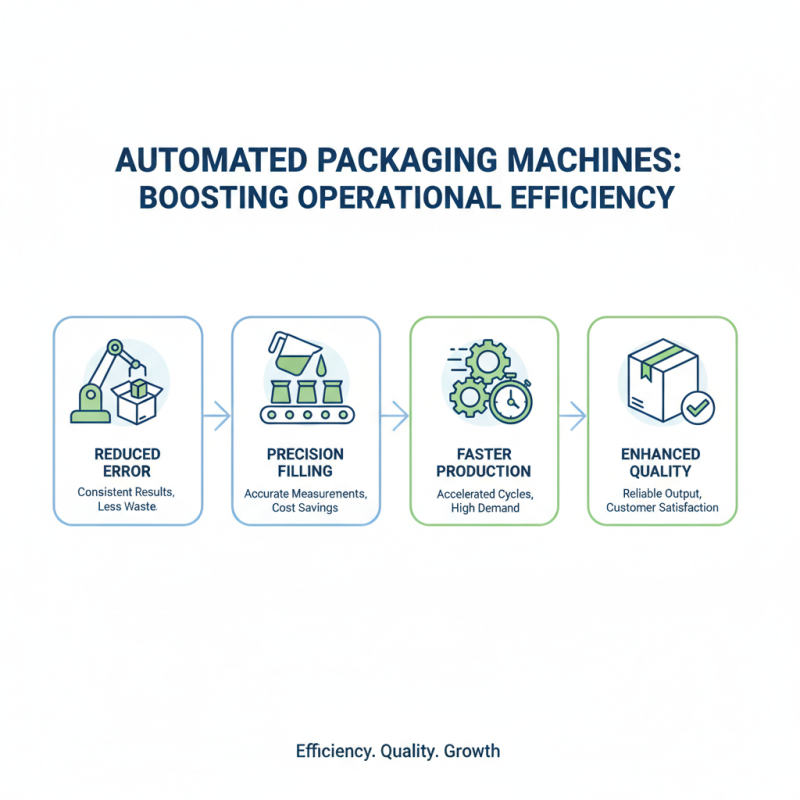
Automated packaging machines can significantly enhance operational efficiency in various industries. They minimize human error, leading to more consistent results. With precise measurements, these machines ensure every package is filled correctly. This reduces waste and cuts down costs. The speed of automated systems allows for faster production cycles. As a result, businesses can meet high demand without sacrificing quality.
Additionally, automated packaging requires less labor. Workers can focus on more complex tasks instead of repetitive actions. However, implementing these machines isn’t always a smooth process. Staff may need training to adapt to new systems. Moreover, maintenance of machinery can pose challenges. If not managed properly, downtime can occur, impacting productivity. Reflecting on these aspects is essential for smooth transitions.
Cost Savings Through Automation in Packaging Processes
Automated packaging machines bring significant cost savings in packaging processes. A recent report by Smithers Pira suggests that automation can reduce labor costs by up to 30%. This reduction allows businesses to allocate resources more effectively. The initial investment pays off quickly. Over three years, companies typically see a return of 200-300% due to increased efficiency and lower operational costs.
Implementing automated systems often results in a more controlled production environment. For instance, machines can operate 24/7, decreasing downtime and energy costs. However, training staff to adapt to new technologies can be a hurdle. Many employees may resist change. It’s essential for businesses to manage this transition carefully. Another study indicates that 20% of employees feel overwhelmed by automation.
While automated machines improve consistency, occasional malfunctions can lead to production halts. Such interruptions can negate some cost savings. Regular maintenance and backups are crucial. Companies must ensure they have strategies in place to quickly address any issues that arise. Balancing technology with human oversight remains key.
Enhancing Product Consistency with Automated Packaging Solutions
Automated packaging solutions are transforming how businesses maintain product consistency. These machines ensure uniform sealing and labeling, reducing the risk of errors. A manufacturing plant can see improved product reliability with precise filling. Each package is more likely to meet quality standards, which builds brand trust.
The efficiency of automated systems leads to fewer human errors. However, it’s essential to consider the learning curve for staff. Training is necessary to maximize productivity. In some cases, the transition may expose gaps in the workflow. Regular evaluations can help fix these issues. It is a continuous process, but the benefits generally outweigh the challenges.
In addition to consistency, automation enhances speed. Products move smoothly on an assembly line. Yet, this can result in oversights if not monitored correctly. Employees might feel overwhelmed with the pace. It’s vital to strike a balance between speed and quality. Feedback loops can assist in maintaining this equilibrium.
Improved Safety Standards in Packaging Operations
Automated packaging machines significantly enhance safety standards in packaging operations. According to a report by the Occupational Safety and Health Administration (OSHA), automation can reduce workplace injuries by up to 50%. This reduction is essential in environments where manual handling poses risks. Automated systems minimize human intervention and errors, which are often the sources of accidents.
Moreover, these machines help in maintaining consistent quality. A study showed that nearly 70% of packaging errors resulted from manual processes. Automation limits these mistakes, ensuring products are correctly packaged every time. Improved labeling and sealing processes reduce the chance of contamination and product damage. Unique safety features in automated machines can also alert operators to unsafe conditions, enhancing overall workplace safety.
However, the initial investment in automated packaging may be daunting for many businesses. Training staff to operate new machines can take time and effort. Moreover, equipment failures pose risks and can disrupt operations. Continuous maintenance is required to ensure these machines operate smoothly and safely. Businesses must weigh these considerations against the long-term benefits of improved safety and efficiency.
Top 10 Benefits of Automated Packaging Machines for Your Business
Customization and Flexibility of Automated Packaging Systems
Automated packaging systems offer remarkable customization and flexibility for businesses. They can adapt to various product shapes and sizes. This feature allows companies to design unique packaging solutions. For example, some products may require eco-friendly materials. Automated machines can easily switch between different materials and styles.
Customization enables businesses to create eye-catching designs. This attracts customers and enhances brand identity. However, not every business capitalizes on this ability. Some may find it challenging to define their packaging vision. Understanding customer preferences can take time. It is essential to gather feedback during the design process.
Flexibility in automated systems also means faster production rates. Businesses can increase their output without sacrificing quality. Nevertheless, companies must ensure their workforce is trained to manage changes. Inadequate training can lead to errors. Embracing customization should be a careful and well-planned journey.